
Mount Kilimanjaro
Mount Kilimanjaro
Mountain
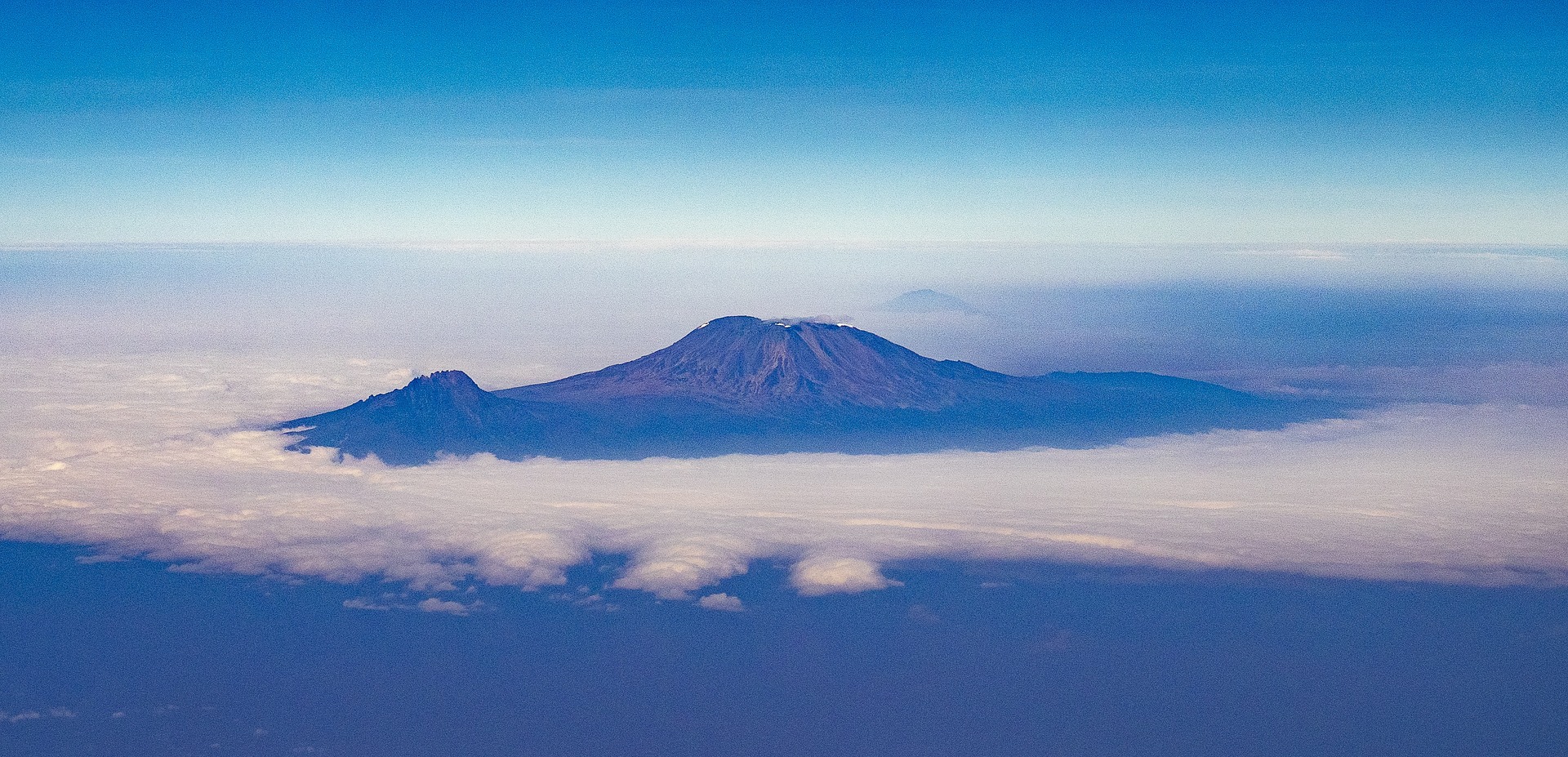
Africa’s highest point at 5,895 metres, and a walk-up climb that still defeats a good number of the people who attempt it.
Kilimanjaro is a walk, not a technical climb, which is exactly why it is dangerous to underestimate. You need no ropes and no mountaineering skill. You do need to handle altitude, and the biggest factor in whether you reach Uhuru Peak is how many days you spend acclimatising.
Route choice matters more than fitness. Marangu is the shortest and has huts, but its short profile gives the lowest success rates. Machame is the popular scenic option. Lemosho and the Northern Circuit are longer, quieter and give much better acclimatisation — and correspondingly better summit odds.
We do not quote success percentages, because operators inflate them and no one audits the numbers. What we will tell you is that an extra day on the mountain buys more summit chance than any amount of gym work.
From our guides
Add the extra day. The cost difference between a six-day and an eight-day route is much smaller than the cost of not summiting.
Why come here
- The highest point in Africa, and the highest free-standing mountain in the world
- Five climate zones in under a week of walking
- No technical climbing required
- Combines naturally with a northern circuit safari or Zanzibar
The wildlife
Limited on the mountain itself — colobus and blue monkey in the lower forest, four-striped grass mouse higher up, and the white-necked raven that will steal your lunch at Barafu.
When to visit
January to mid-March and June to October are the dry windows. April, May and November are wet and the routes are harder work. Full-moon summit nights are popular and correspondingly busy.
Mount Kilimanjaro through the year
January
Weather
Cold at altitude, generally clear. Some snow on the summit
Wildlife
Not applicable — this is a trekking destination
The migration
—
How busy
Moderate
Price season
High season
Our rating
One of the two good windows.
February
Weather
Clear and cold. Reliable
Wildlife
—
The migration
—
How busy
Moderate
Price season
High season
Our rating
Often the clearest month of the year.
March
Weather
Deteriorating from mid-month
Wildlife
—
The migration
—
How busy
Quiet
Price season
Shoulder
Our rating
Fine early, wet late.
April
Weather
Long rains. Muddy, low visibility
Wildlife
—
The migration
—
How busy
Quiet
Price season
Low season
Our rating
We advise against April.
May
Weather
Wet
Wildlife
—
The migration
—
How busy
Quiet
Price season
Low season
Our rating
June
Weather
Drying, cold nights
Wildlife
—
The migration
—
How busy
Moderate
Price season
High season
Our rating
July
Weather
Dry and cold. Busy
Wildlife
—
The migration
—
How busy
Busy
Price season
Peak season
Our rating
August
Weather
Dry, cold, busiest month
Wildlife
—
The migration
—
How busy
Busy
Price season
Peak season
Our rating
Book six months ahead for August.
September
Weather
Dry and clear
Wildlife
—
The migration
—
How busy
Busy
Price season
Peak season
Our rating
Our pick if you want dry and slightly quieter.
October
Weather
Dry, warming, occasional afternoon cloud
Wildlife
—
The migration
—
How busy
Moderate
Price season
High season
Our rating
November
Weather
Short rains. Wet on the lower slopes
Wildlife
—
The migration
—
How busy
Quiet
Price season
Shoulder
Our rating
December
Weather
Improving through the month
Wildlife
—
The migration
—
How busy
Moderate
Price season
High season
Our rating
Christmas and New Year are busy and priced accordingly.
Mount Kilimanjaro, answered
The longest one you can afford. Route length matters far more than route name, because the determinant is acclimatisation. Lemosho over eight days and the Northern Circuit over nine acclimatise best. Machame over seven is a good balance. Marangu over five has the lowest summit rates of the popular routes, whatever else you may read.
No, deliberately. Operators inflate them and nobody audits the numbers, so a published figure tells you nothing except how confident the marketing department is. What we will tell you is that adding a day buys more summit chance than any amount of training.
Fit enough to walk six hours a day for a week and then do ten to fourteen hours on summit night. That is a real requirement but not an athletic one. Altitude tolerance matters more, and is largely unrelated to fitness — very fit people fail and unremarkable walkers succeed.
Porter welfare on this mountain is a genuine and ongoing problem, and the cheapest quotes are cheap for a reason. We pay proper wages and will show you the rates if you ask. Tips are on top of that, not instead of it.
Yes, and it is the usual shape — trek first, safari afterwards, because the safari is the rest. A few days on the northern circuit or on Zanzibar after coming down is the best recovery there is.
Build Mount Kilimanjaro into a route that works.
One park is rarely a trip. Tell us how long you have and what else you want to see, and we will put Kilimanjaro in the right place in the right week.