
Ngorongoro Crater
Ngorongoro Crater
Conservation area
A collapsed volcano holding its own complete ecosystem — and one of the few places in Tanzania where you have a real chance of black rhino.
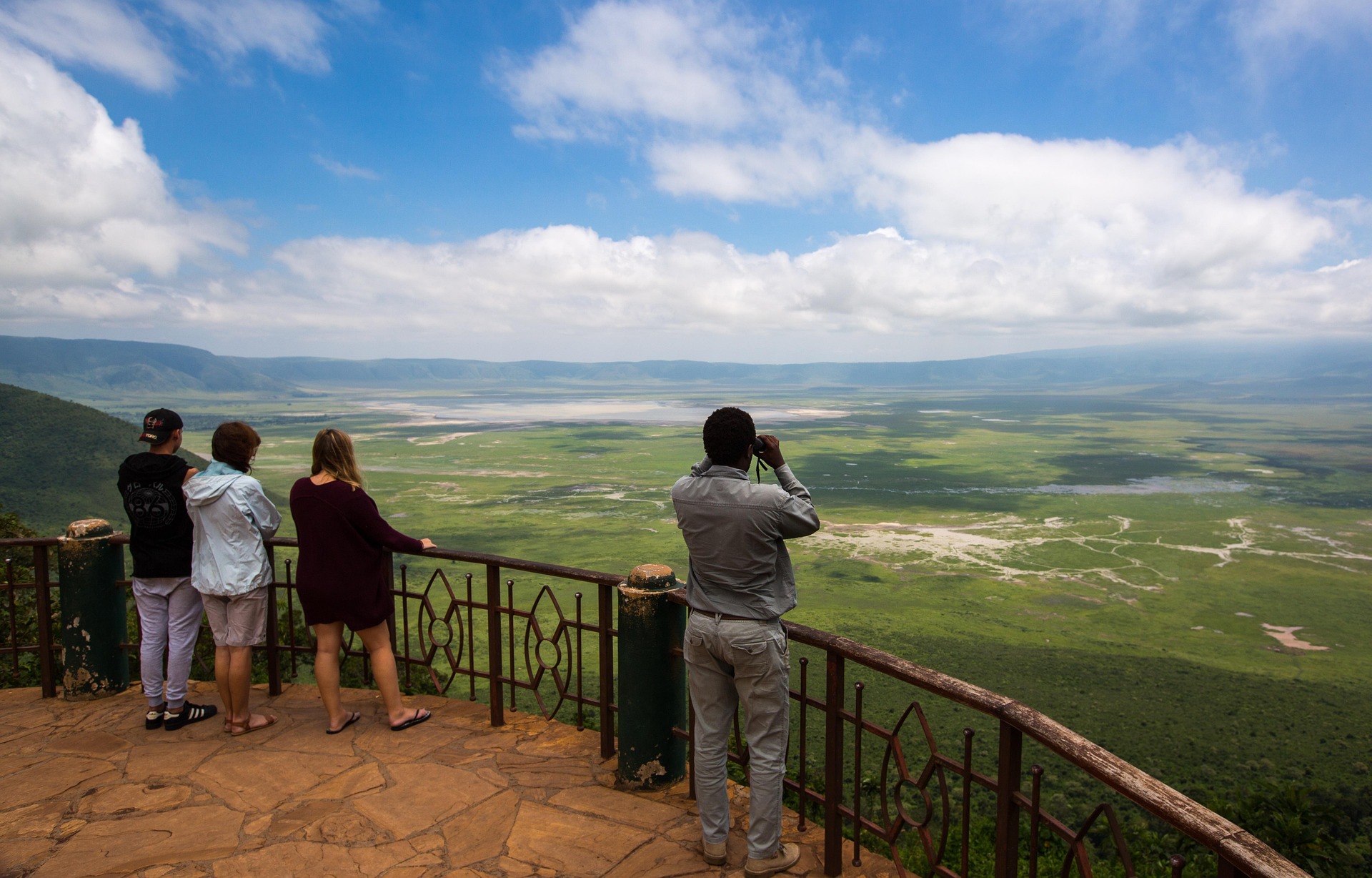
The crater is what remains of a volcano that blew its top and fell in on itself. The floor sits some six hundred metres below the rim, and roughly twenty-five thousand large animals live down there more or less permanently, because the grazing and water never fail.
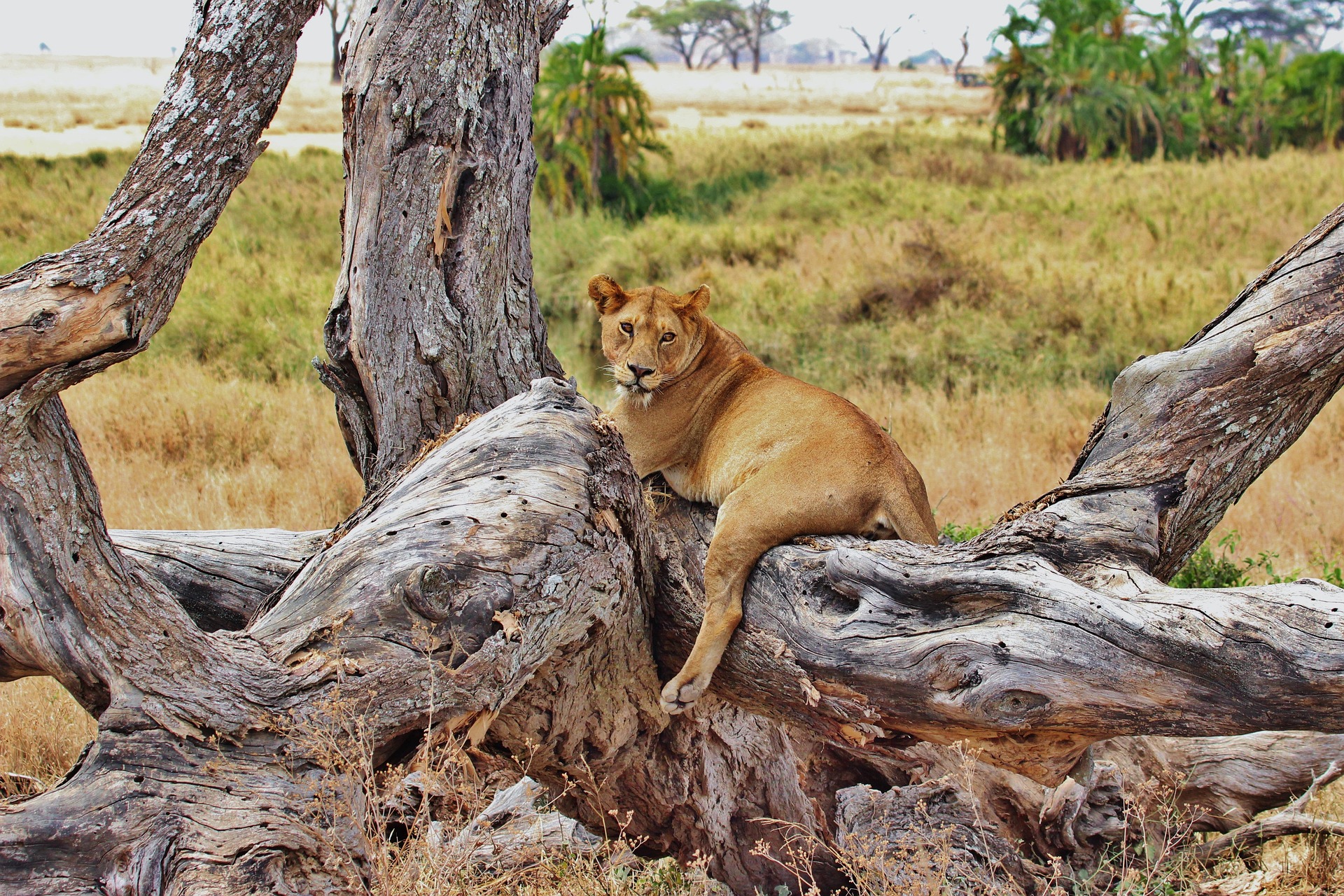
The effect is unlike anywhere else on the northern circuit. You descend at dawn through cloud forest, drop onto open grassland, and within twenty minutes have seen lion, hyena, hippo, elephant and several thousand wildebeest without moving far. It is the most reliable Big Five morning in Tanzania.
It is also busy. Vehicle numbers on the floor are capped and descent times are managed, but by nine in the morning the popular lion sightings can attract a queue. We start early — first vehicle down, out before the crowd builds. Even so, the crater is a spectacle rather than a wilderness.
From our guides
Stay on the rim, not down in Karatu, if the budget allows. Being twenty minutes from the descent road rather than an hour is the difference between arriving first and arriving eleventh.
Why come here
- The best odds of black rhino anywhere in northern Tanzania
- The Big Five possible in a single morning
- Enormous bull elephants with tusks you rarely see elsewhere
- Rim lodges with a view straight down into the caldera
The wildlife
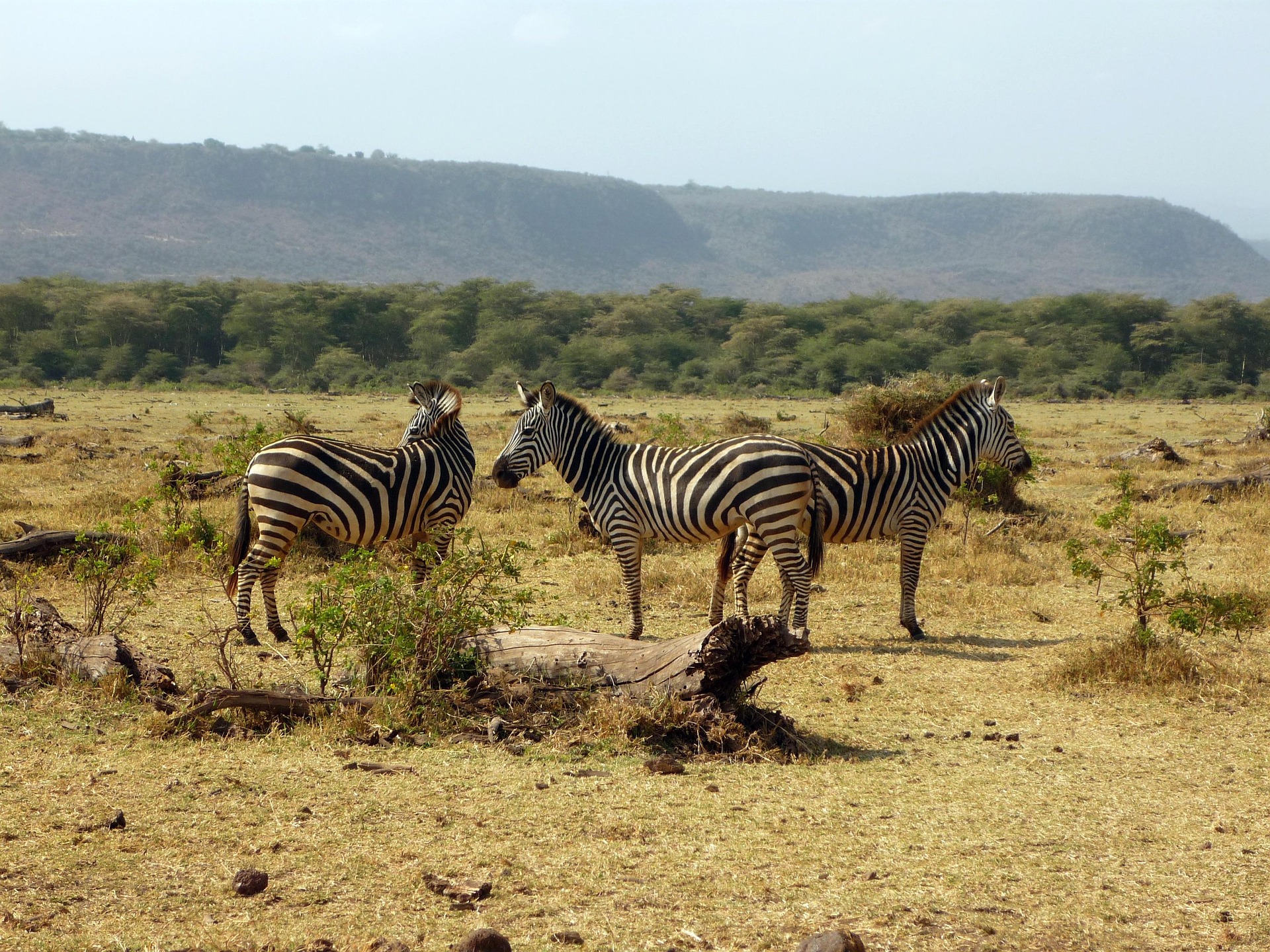
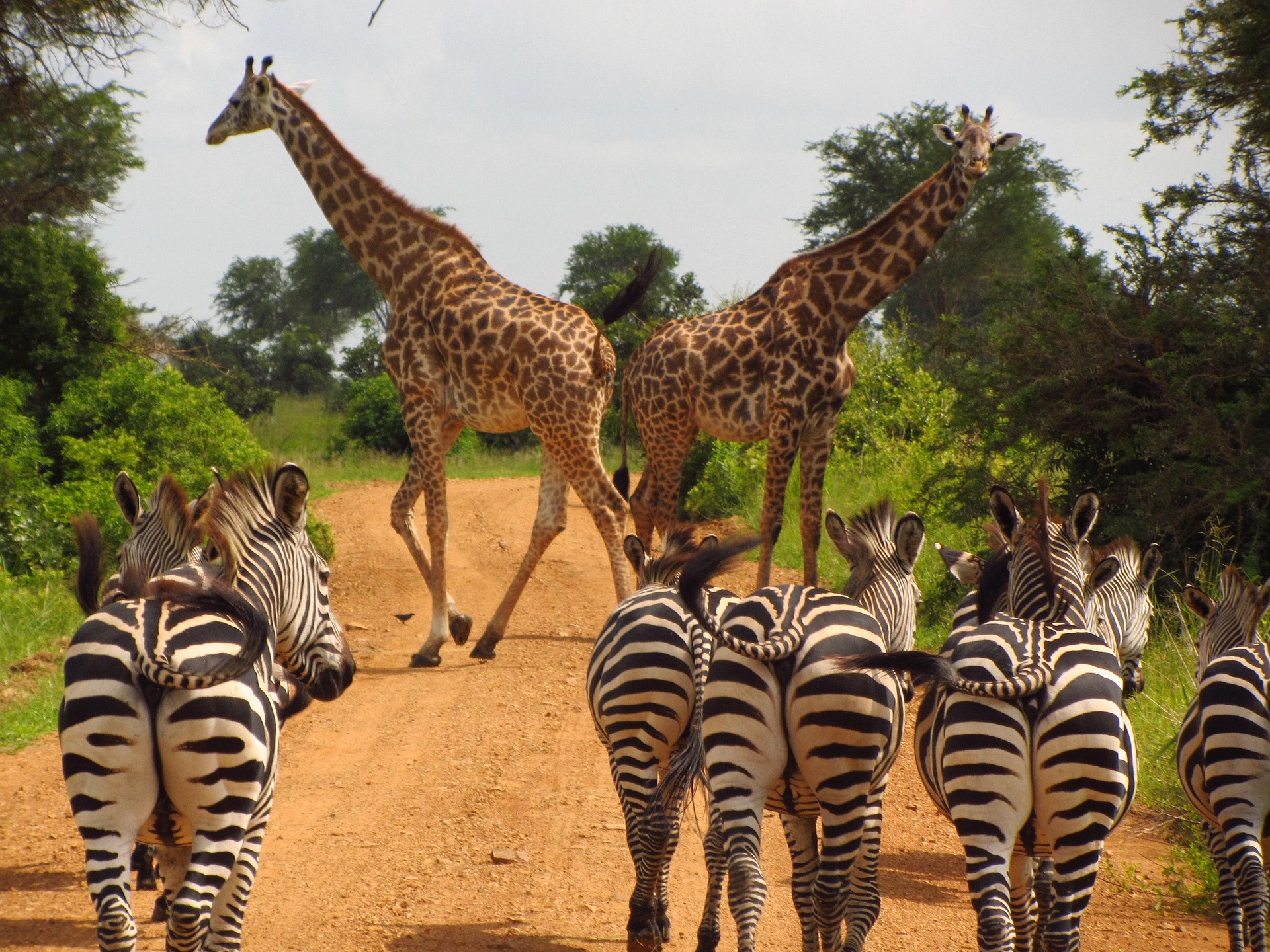
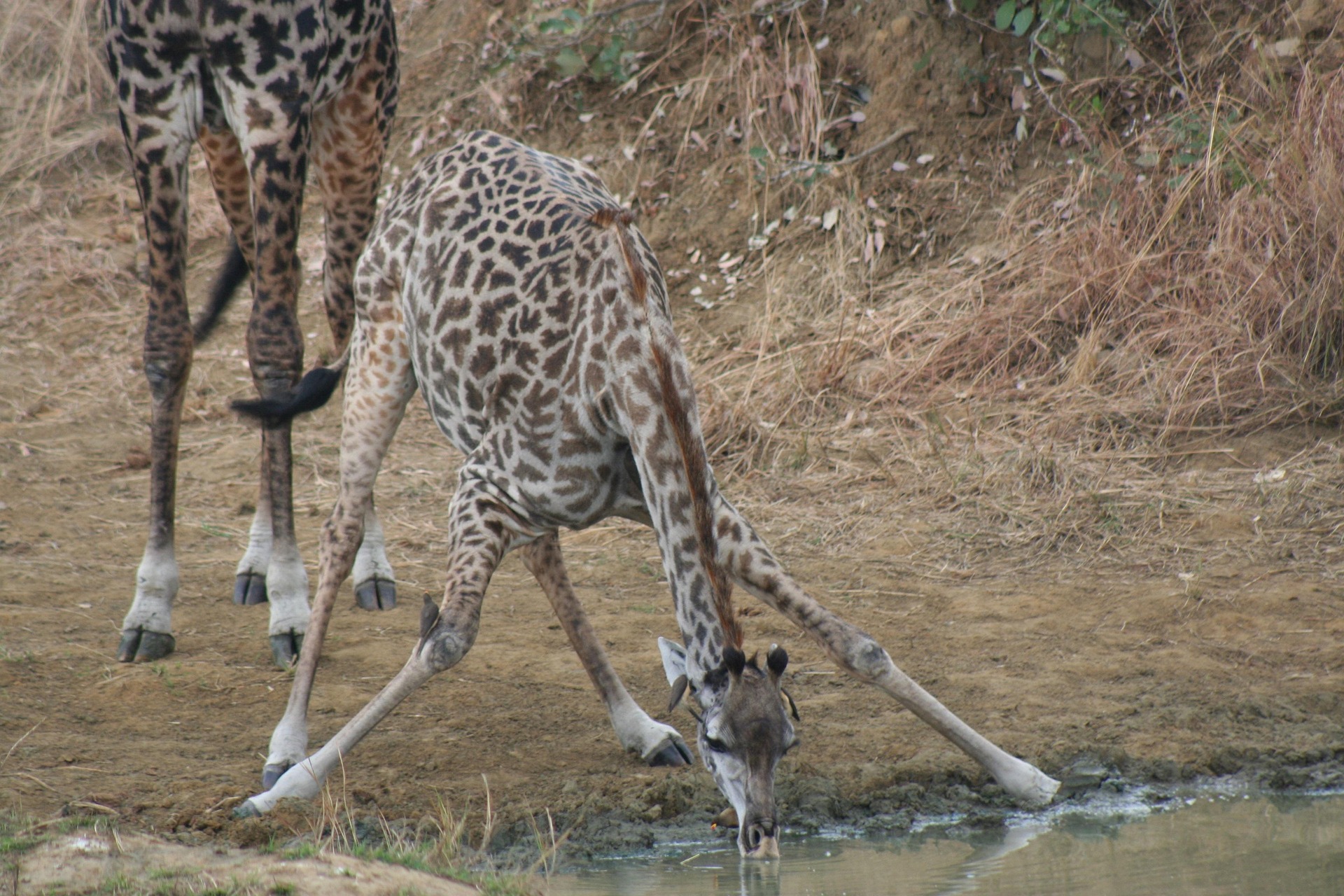
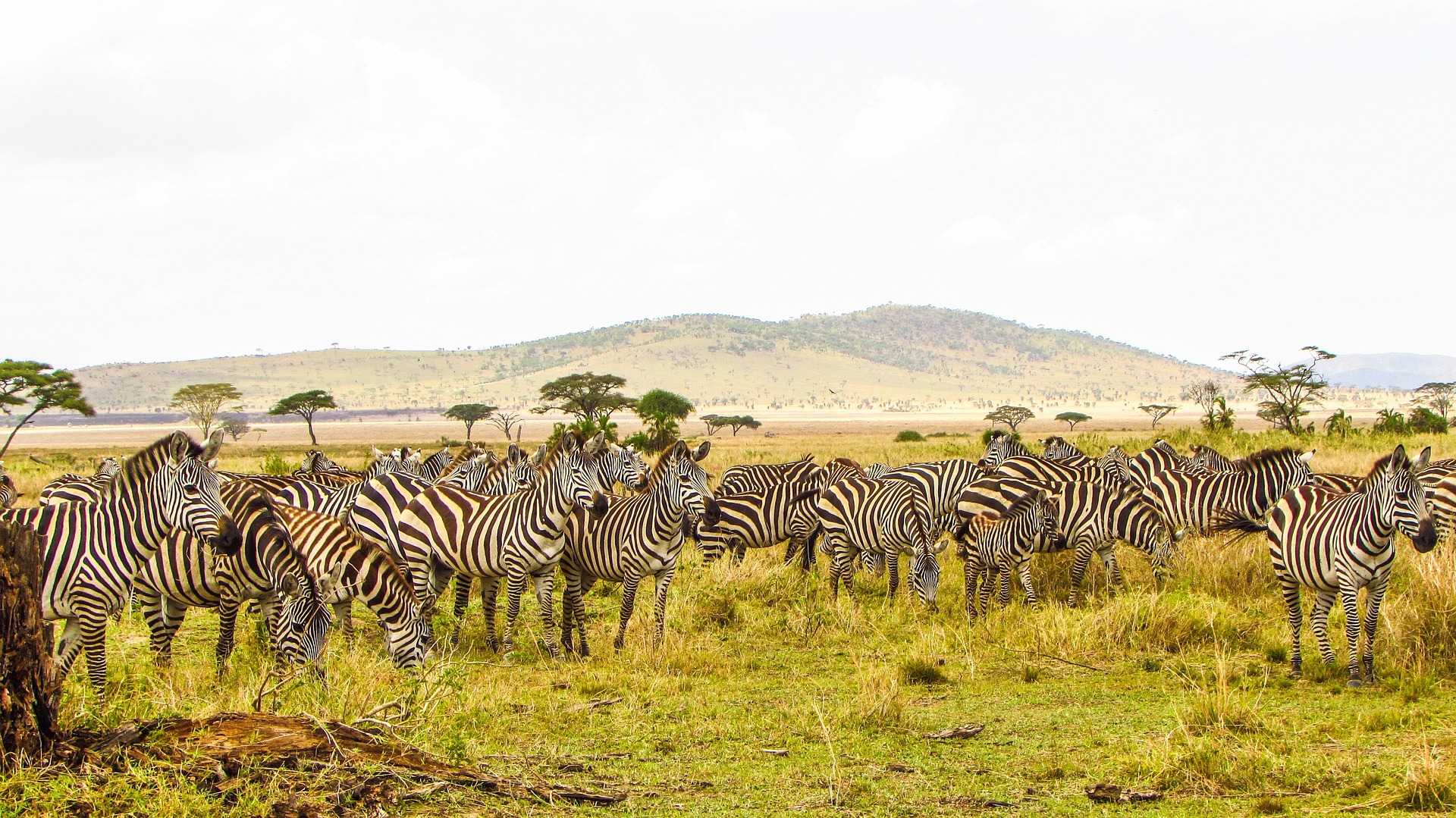
Around twenty-five thousand large mammals on the crater floor: wildebeest, zebra, buffalo, eland, Thomson’s and Grant’s gazelle, plus a dense and well-studied lion population and Tanzania’s highest concentration of spotted hyena. A small, closely protected population of black rhino survives on the floor. Giraffe are absent — the descent is too steep. Flamingo gather on Lake Magadi when conditions suit.
When to visit
The crater works all year. June to October is driest and busiest. The green season from November to May is beautiful on the rim, though the descent road can be slippery. Mornings are genuinely cold at 2,200 metres in any month — bring a fleece.
Ngorongoro Crater through the year
January
Weather
Cool and often clear on the rim; cold at dawn
Wildlife
Excellent — resident game does not migrate
The migration
Herds nearby on the Ndutu plains
How busy
Moderate
Price season
High season
Our rating
February
Weather
Cool, occasional cloud on the rim
Wildlife
Excellent; calving herds within reach at Ndutu
The migration
Ndutu, within the conservation area
How busy
Moderate
Price season
High season
Our rating
March
Weather
Wetter, cloud sitting on the rim
Wildlife
Very good; fewer vehicles on the floor
The migration
Southern plains
How busy
Quiet
Price season
Shoulder
Our rating
April
Weather
Long rains; descent road can be slow
Wildlife
Very good, but expect mud and cloud
The migration
Herds moving off
How busy
Quiet
Price season
Low season
Our rating
May
Weather
Wet early, drying late
Wildlife
Very good
The migration
—
How busy
Quiet
Price season
Low season
Our rating
June
Weather
Cold and clear. Frost is possible at dawn
Wildlife
Excellent
The migration
—
How busy
Moderate
Price season
High season
Our rating
July
Weather
Cold mornings, bright days
Wildlife
Excellent
The migration
—
How busy
Busy
Price season
Peak season
Our rating
August
Weather
Cold and dry
Wildlife
Excellent
The migration
—
How busy
Busy
Price season
Peak season
Our rating
Busiest month on the crater floor. Start at 06:00.
September
Weather
Dry, warming
Wildlife
Excellent
The migration
—
How busy
Busy
Price season
Peak season
Our rating
October
Weather
Warm, dusty, occasional storm
Wildlife
Excellent
The migration
—
How busy
Moderate
Price season
High season
Our rating
November
Weather
Short rains; the rim greens up fast
Wildlife
Excellent, and much quieter
The migration
—
How busy
Quiet
Price season
Shoulder
Our rating
December
Weather
Mild, showery
Wildlife
Excellent
The migration
Herds returning south
How busy
Moderate
Price season
High season
Our rating
- Family-friendly
8 Days Tanzania Safari
Arusha › Tarangire › 2 nights Central Serengeti › Ngorongoro › Lake Eyasi › Arusha
- Safari + Zanzibar
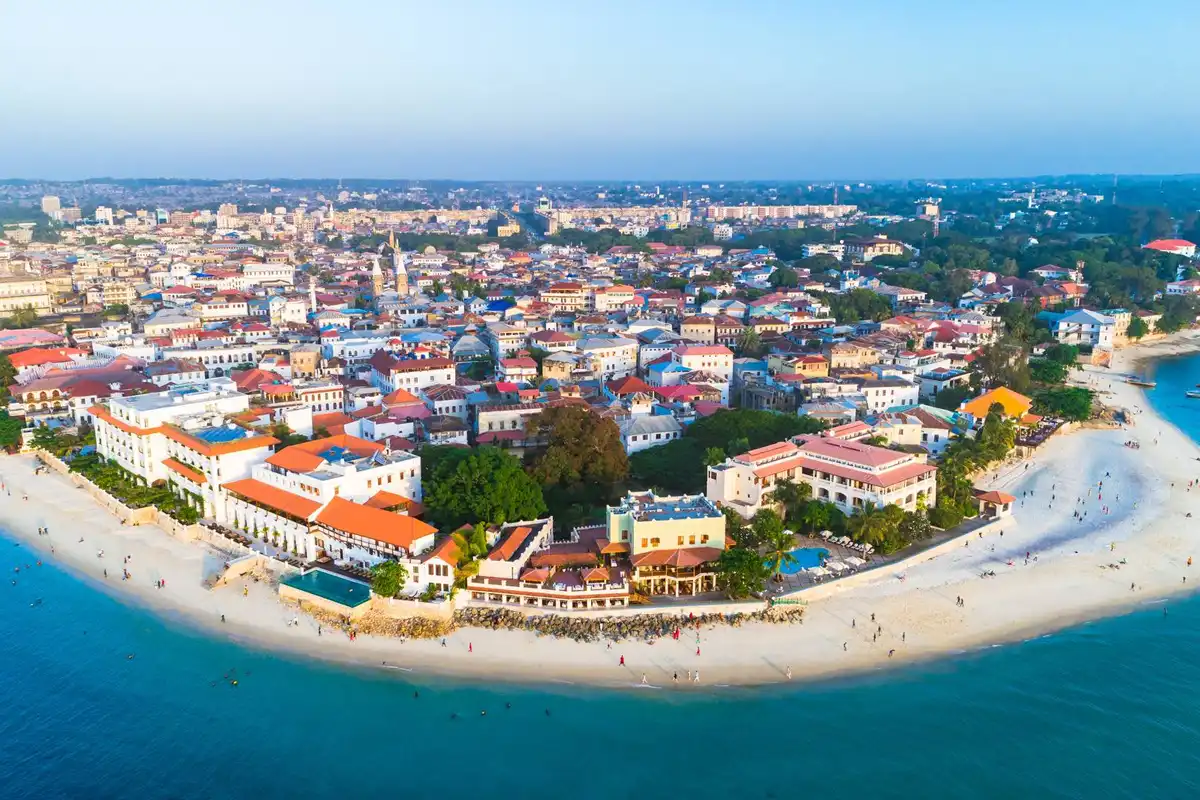
10 Days Luxury Safari & Zanzibar
Arusha › 2 nights Central Serengeti › Ngorongoro › 5 nights Zanzibar

- Family-friendly
6 Days Tanzania Safari
Arusha › Tarangire › 2 nights Central Serengeti › Ngorongoro

- Great Migration
7 Days Serengeti Migration Safari
Arusha › Lake Manyara › 2 nights Ndutu › Central Serengeti › Ngorongoro

- Great Migration
9 Days Luxury Honeymoon Safari
3 nights Northern Serengeti › 2 nights Central Serengeti › Ngorongoro › 2 nights Tarangire

- Great Migration
14 Days Tanzania Photographic Safari
Arusha › 2 nights Tarangire › 2 nights Ngorongoro › 3 nights Central Serengeti › 5 nights Northern Serengeti
Where to stay
Camps and lodges we use here

Marera Valley Lodge
A highland lodge in the farming country around Karatu, well placed for both the Crater and Lake Manyara.
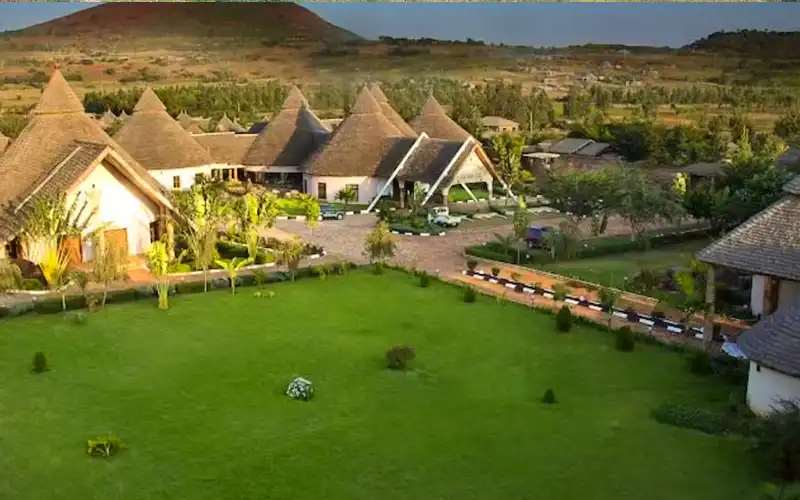
Farm of Dreams Lodge
A small lodge in the coffee and maize country outside Karatu, with long views across the highlands.

Ngorongoro Serena Safari Lodge
Built into the crater rim itself, with rooms looking straight down onto the floor. The location is the whole point.
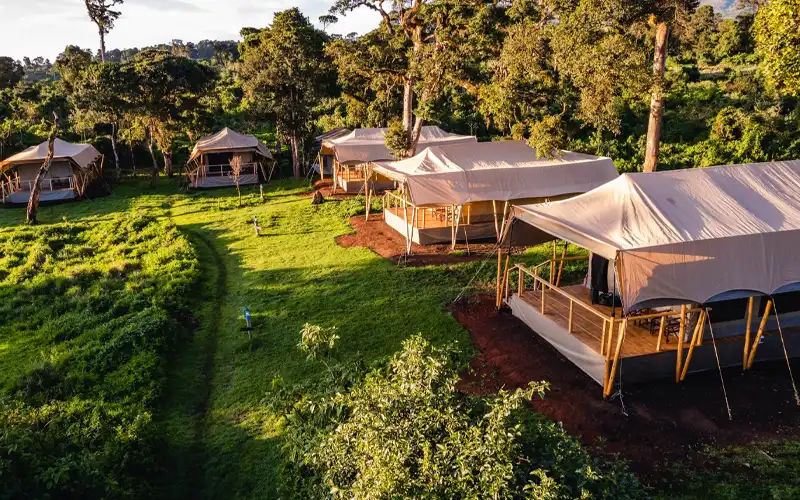
Ang’ata Ngorongoro Camp
A small tented camp high on the rim, close enough to the descent road to be first down in the morning.
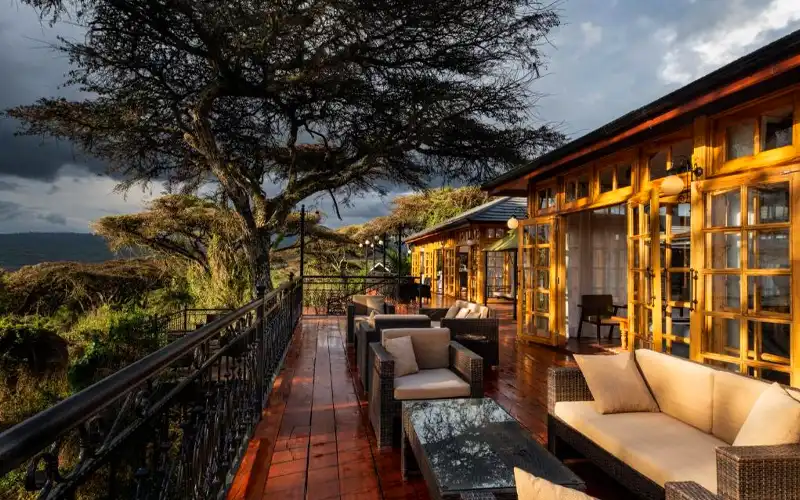
Ngorongoro Lion’s Paw Camp
A tented camp on the eastern rim, minutes from the descent gate and well away from the busier western lodges.
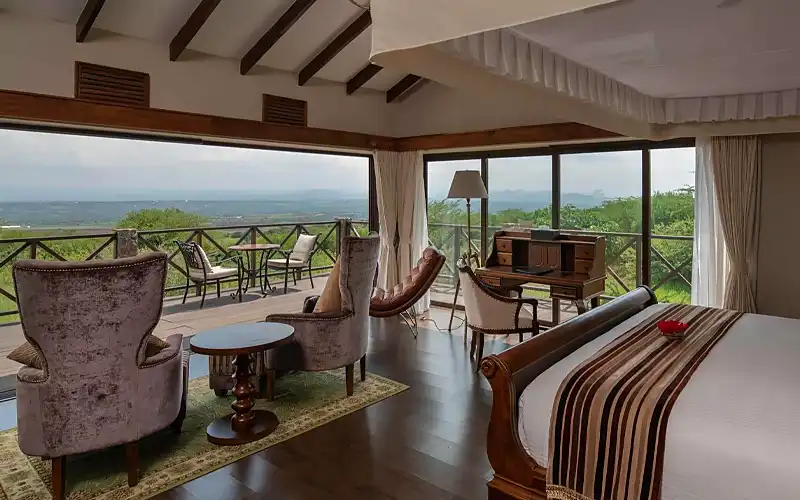
Ngorongoro Oldeani Mountain Lodge
A forest lodge on the slopes of Oldeani, cooler and greener than the rim itself.
Things to do
Experiences here
Ngorongoro Crater in pictures

Ngorongoro Crater, answered
Most people do one full descent, and that is usually enough — the floor is only about 260 square kilometres and you can cover it well in six hours. A second day makes sense if rhino matter to you, or if you want to add Empakaai or the Olduvai Gorge.
Better here than anywhere else on the northern circuit, but still not guaranteed and usually at distance. Bring binoculars.
It can be, between about 09:00 and 13:00 at a good sighting. We manage it by descending at opening time and being back on the rim for lunch, which changes the experience completely.
Build Ngorongoro Crater into a route that works.
One park is rarely a trip. Tell us how long you have and what else you want to see, and we will put Ngorongoro in the right place in the right week.