
Serengeti National Park
Serengeti National Park
National park
Fourteen thousand square kilometres of grass, kopjes and rivers — and the stage for the largest land migration on earth.
The Serengeti is bigger than most people expect and emptier than most people fear. Its name comes from the Maa word siringet, roughly "the place where the land runs on forever", and in the southern plains that is exactly what it does — an horizon of short grass broken only by granite kopjes that hold leopard and lion through the heat of the day.
Most visitors see Seronera, the central valley, because it is reliably good: resident lion prides, leopards along the river lines, cheetah on the open ground. But the park has four distinct characters. The south is migration country from December to March. The west runs along the Grumeti River in a long corridor. The north, up against the Kenyan border, is where the Mara River crossings happen. And Lobo and the eastern side stay quiet almost all year.
Where we send you depends entirely on your month. Booking "the Serengeti" without deciding which Serengeti is the single most common planning mistake we correct.
From our guides
If you only have three nights in the Serengeti, do not split them across two regions. The transfer eats half a day and you will see less, not more.
Why come here
- Resident predators year-round, not only during the migration
- Four distinct regions, each with a different season
- Balloon flights over the plains at first light
- Real wilderness — you can drive for an hour without seeing another vehicle in the north and east
The wildlife
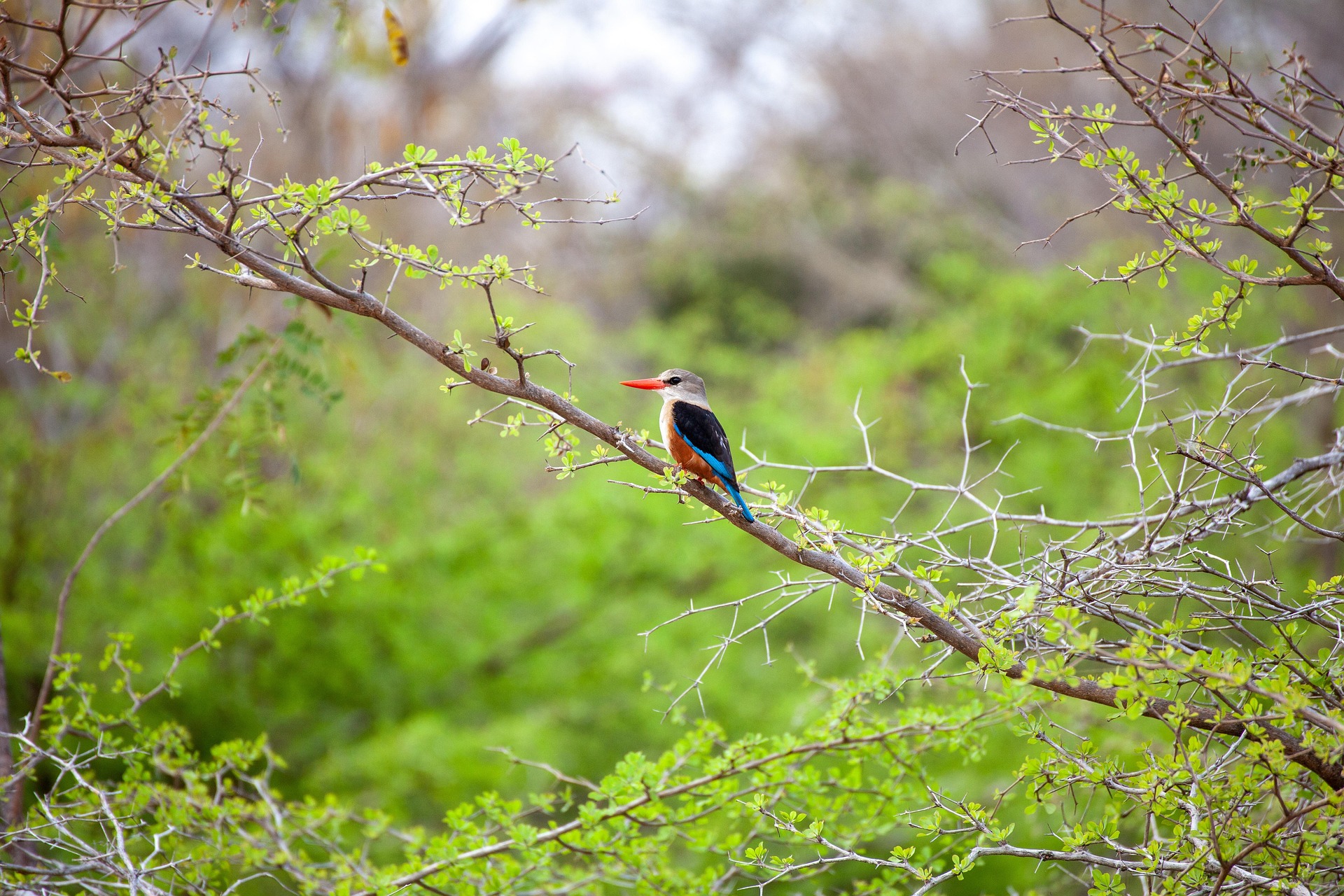
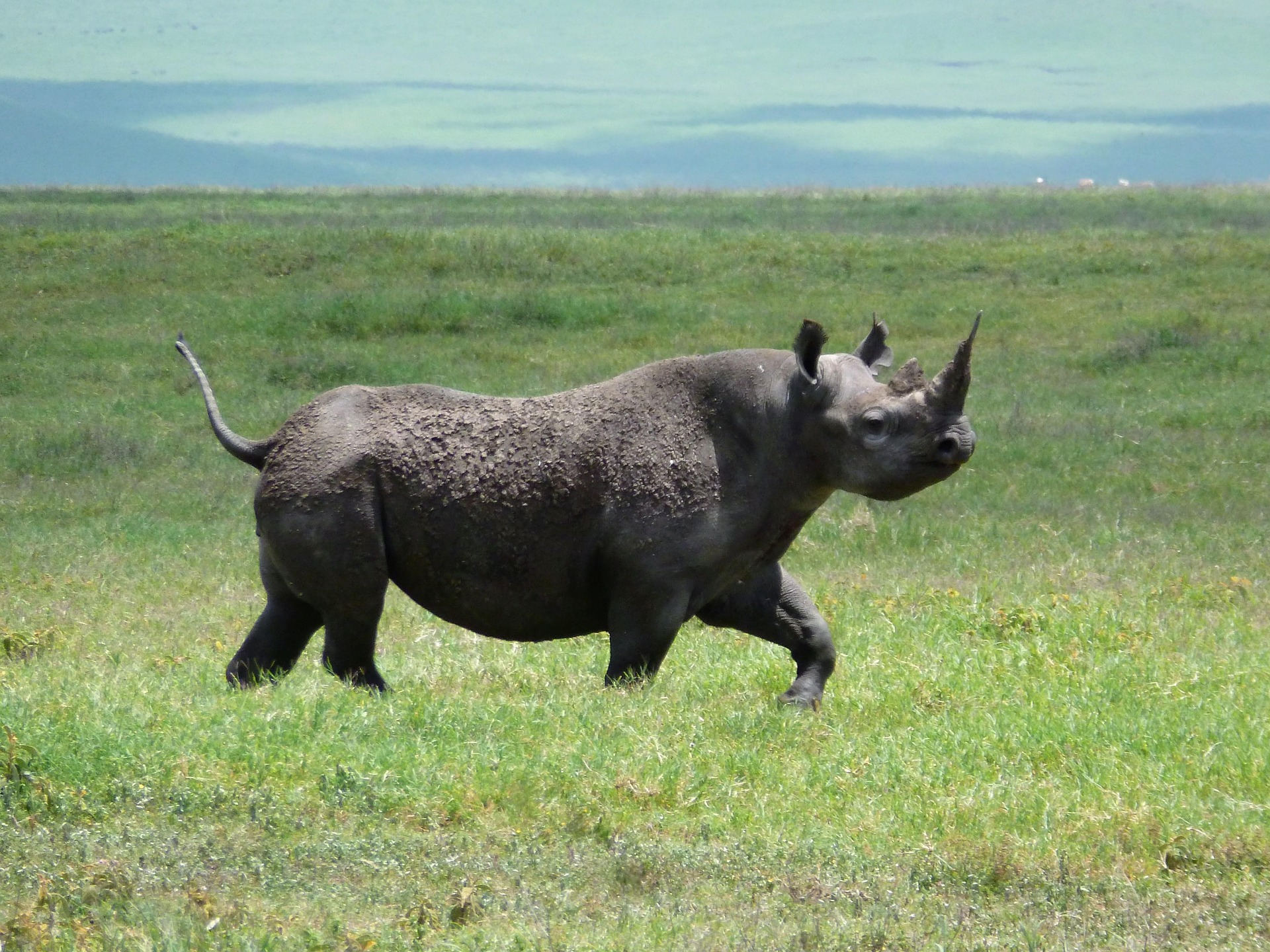
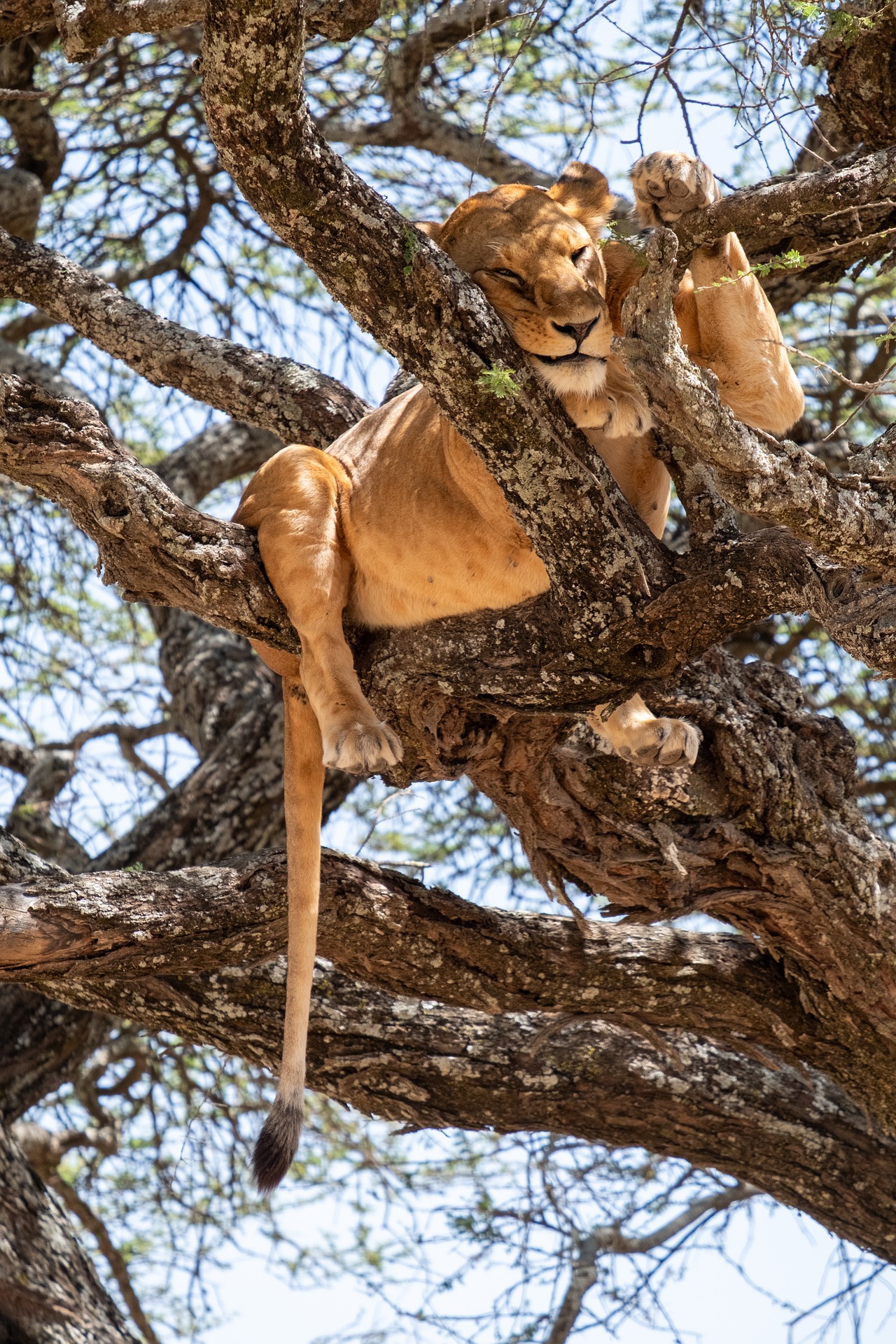
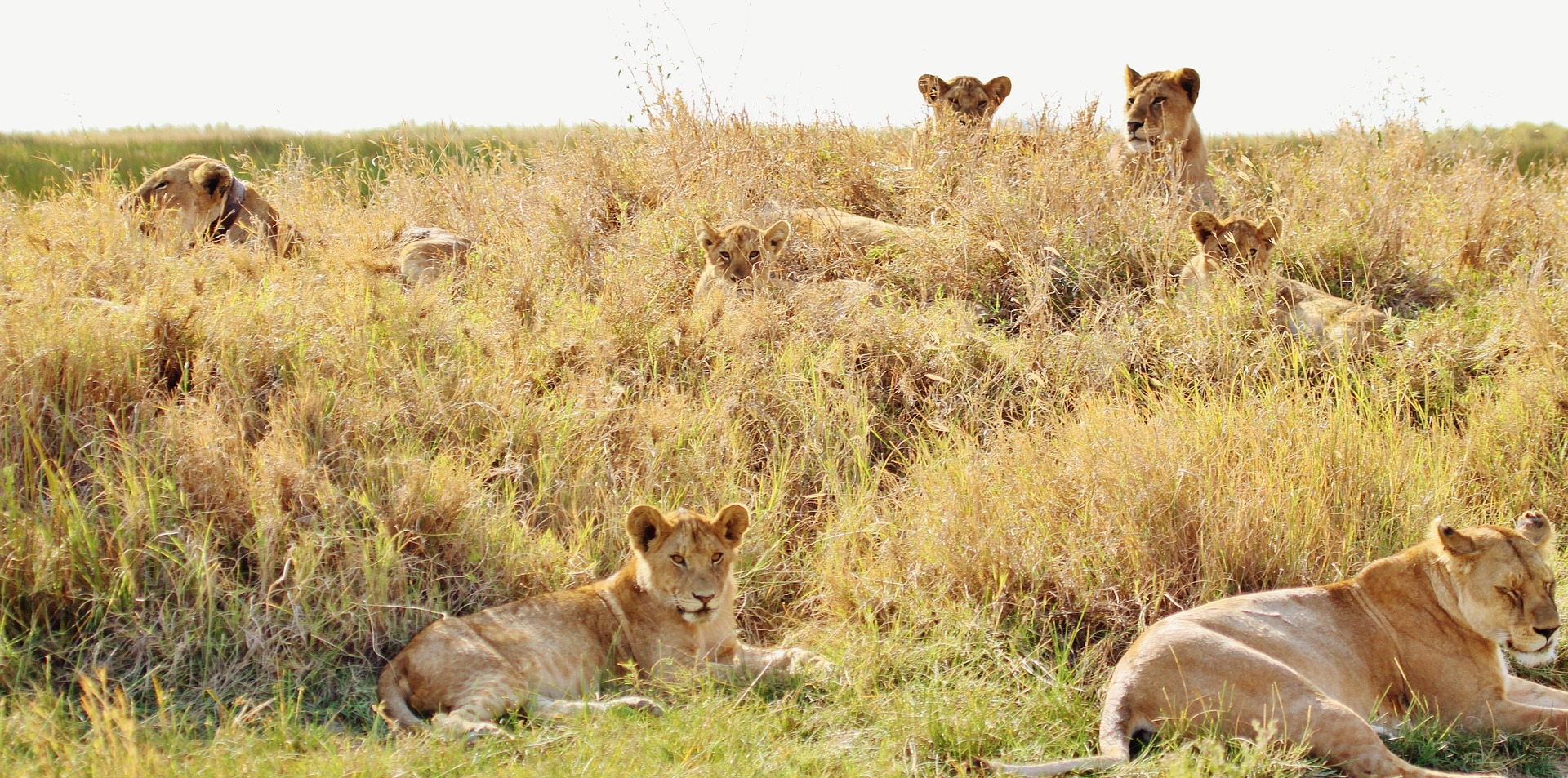
All of the Big Five are present, though rhino are rare and largely confined to protected areas in the Moru Kopjes. Lion are abundant and easily seen. Cheetah favour the short-grass south and the Seronera plains. Leopard are regular along the Seronera and Grumeti river lines. Beyond the headline species: serval, caracal, bat-eared fox, honey badger, and over five hundred bird species including secretary birds, kori bustards and, in the green season, huge numbers of migrants.
When to visit
There is no closed season. June to October is the classic dry-season window — easy game viewing, thin bush, cool mornings and the highest prices. Late January to March puts you on the calving grounds in the south, which is the best predator viewing of the year and a fraction of the crowds. April and May are wet, cheap and beautiful, but some camps close and roads can be hard work.
Serengeti National Park through the year
January
Weather
Hot, occasional short storms. 16–29°C
Wildlife
Herds gathering on the southern plains; calving begins late in the month
The migration
Southern Serengeti / Ndutu
How busy
Moderate
Price season
High season
Our rating
A quiet, excellent month that most people overlook.
February
Weather
Warm and mostly dry between showers
Wildlife
Peak calving — roughly half a million calves in three weeks, and constant predator activity
The migration
Ndutu and the short-grass plains
How busy
Moderate
Price season
High season
Our rating
Our favourite month in the whole calendar for predator viewing.
March
Weather
Building humidity, storms most afternoons
Wildlife
Herds still south; calves now running with the columns
The migration
Southern and central Serengeti
How busy
Quiet
Price season
Shoulder
Our rating
April
Weather
The long rains. Heavy but rarely all day
Wildlife
Excellent birding, lush grass, dispersed plains game
The migration
Moving north-west through the central park
How busy
Quiet
Price season
Low season
Our rating
Cheapest month of the year. Some camps close.
May
Weather
Rains easing by mid-month
Wildlife
Herds forming into the long columns that head for the Western Corridor
The migration
Central and Western Serengeti
How busy
Quiet
Price season
Low season
Our rating
June
Weather
Dry and cool. Cold at dawn
Wildlife
Grumeti River crossings possible; resident game concentrating on water
The migration
Western Corridor / Grumeti
How busy
Moderate
Price season
High season
Our rating
July
Weather
Dry, cool mornings, 12–26°C
Wildlife
First Mara River crossings, though timing is never guaranteed
The migration
Northern Serengeti / Kogatende
How busy
Busy
Price season
Peak season
Our rating
Book northern camps a year ahead for July and August.
August
Weather
Dry and dusty. Clear skies
Wildlife
Mara River crossings at their most frequent
The migration
Northern Serengeti
How busy
Busy
Price season
Peak season
Our rating
September
Weather
Dry, warming up
Wildlife
Crossings continue; northern woodlands hold big herds
The migration
Northern Serengeti
How busy
Busy
Price season
Peak season
Our rating
October
Weather
Hot and dry, first storms possible late
Wildlife
Herds begin drifting south; excellent resident predator viewing
The migration
Northern and eastern Serengeti
How busy
Moderate
Price season
High season
Our rating
November
Weather
Short rains. Brief, dramatic afternoon storms
Wildlife
Herds moving south fast; landscape turns green within days
The migration
Central and eastern Serengeti
How busy
Quiet
Price season
Shoulder
Our rating
Underrated. Green landscape, low prices, good game.
December
Weather
Warm, intermittent showers
Wildlife
Herds arriving on the southern plains
The migration
Southern Serengeti
How busy
Moderate
Price season
High season
Our rating
Christmas and New Year are peak-priced regardless of season.
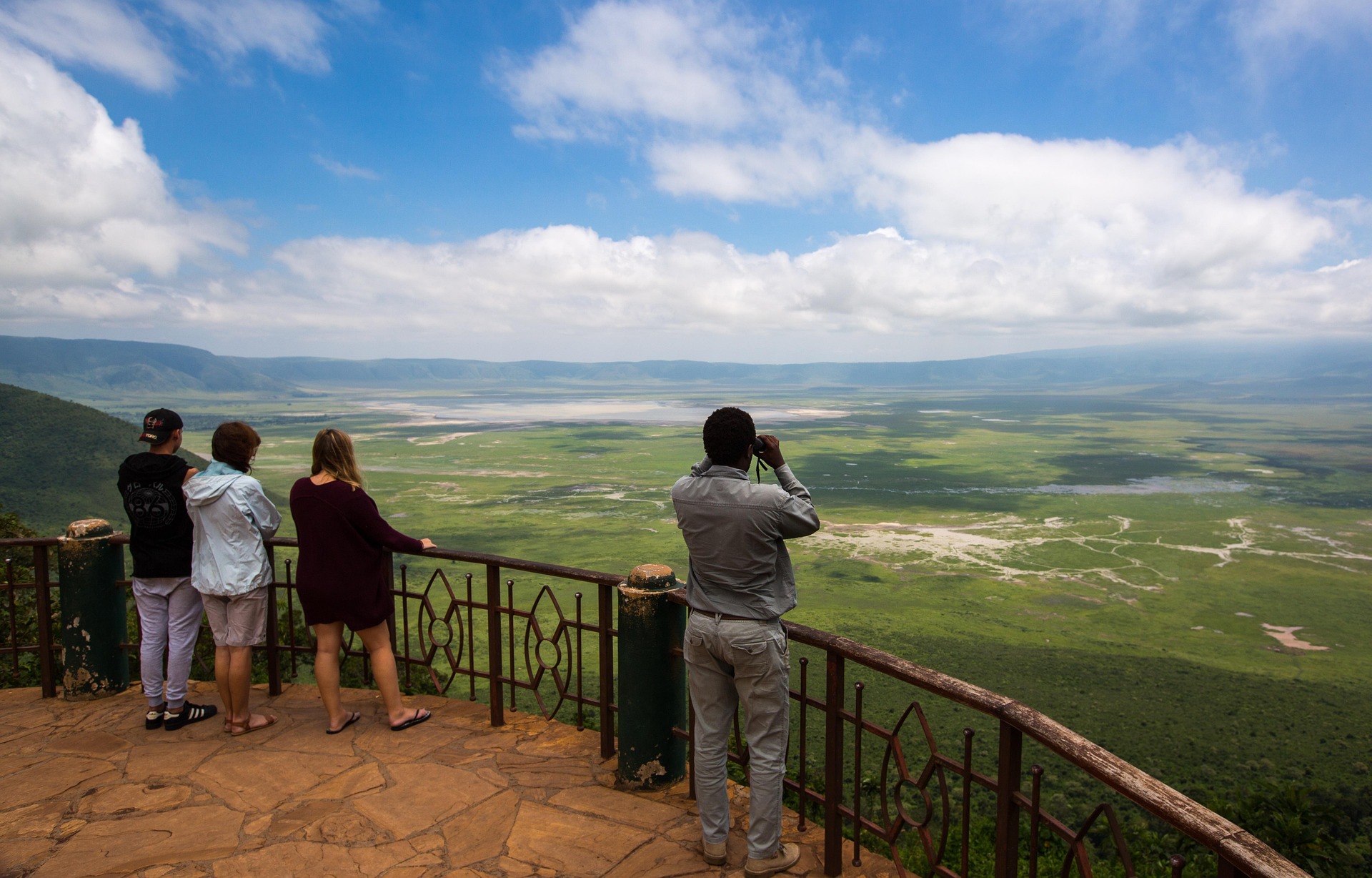
- Family-friendly
8 Days Tanzania Safari
Arusha › Tarangire › 2 nights Central Serengeti › Ngorongoro › Lake Eyasi › Arusha
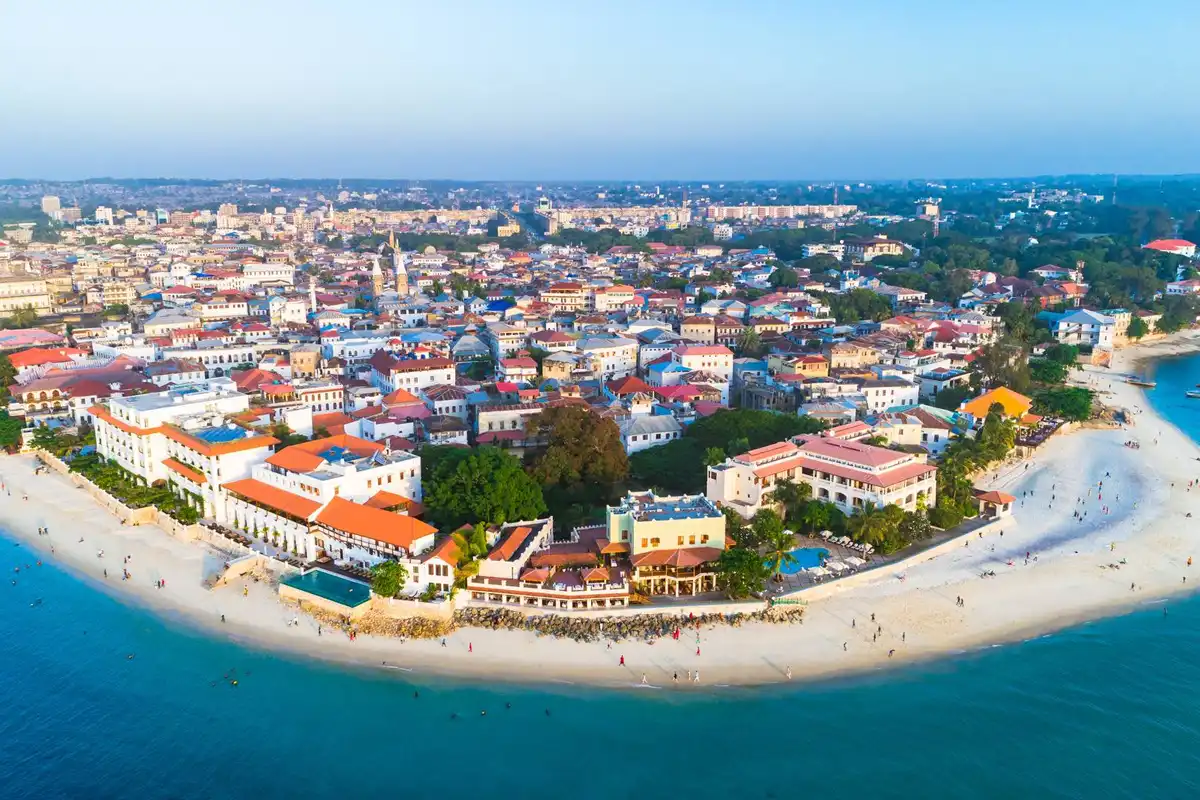
- Safari + Zanzibar
10 Days Luxury Safari & Zanzibar
Arusha › 2 nights Central Serengeti › Ngorongoro › 5 nights Zanzibar

- Family-friendly
6 Days Tanzania Safari
Arusha › Tarangire › 2 nights Central Serengeti › Ngorongoro

- Great Migration
7 Days Serengeti Migration Safari
Arusha › Lake Manyara › 2 nights Ndutu › Central Serengeti › Ngorongoro

- Great Migration
9 Days Luxury Honeymoon Safari
3 nights Northern Serengeti › 2 nights Central Serengeti › Ngorongoro › 2 nights Tarangire
- Great Migration
14 Days Tanzania Photographic Safari
Arusha › 2 nights Tarangire › 2 nights Ngorongoro › 3 nights Central Serengeti › 5 nights Northern Serengeti
Where to stay
Camps and lodges we use here
Meliá Serengeti Lodge
A large contemporary lodge built along a ridge in the central Serengeti, with generous rooms and long views.
Nimali Serengeti
A small, high-end tented camp in the central Serengeti with a strong emphasis on privacy.

Serengeti Kamwene Tented Camp
A tented camp in the central Serengeti, within easy reach of the Seronera valley and its resident predators.
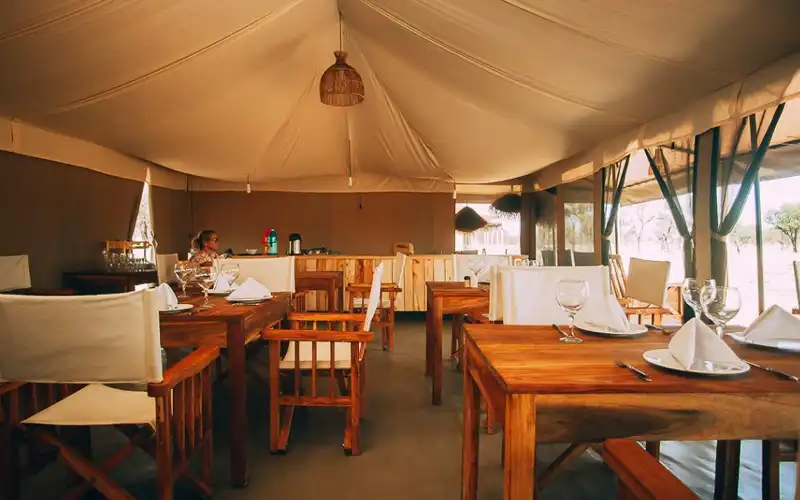
Kon Tiki Serengeti Camp
A comfortable tented camp positioned for central Serengeti game drives.
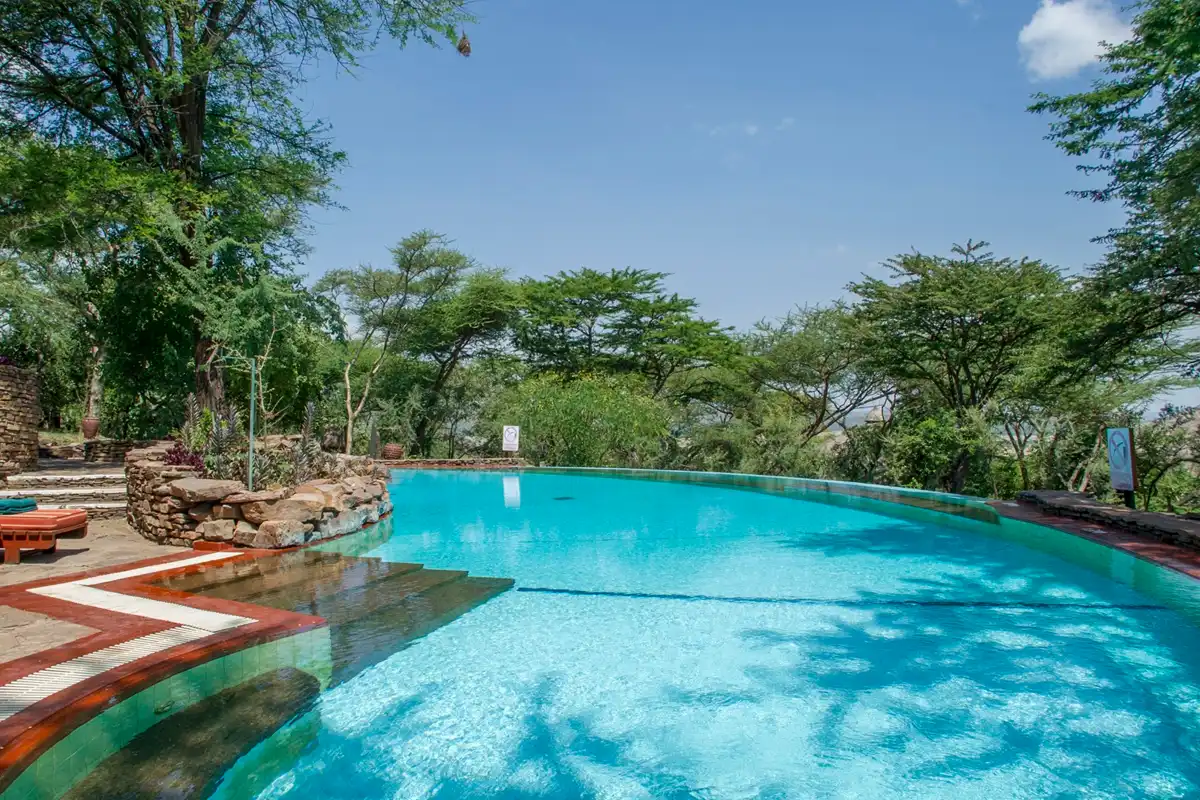
Serengeti Serena Safari Lodge
A long-established lodge on a ridge in the central Serengeti, with wide views over the plains from the pool.

Kubu Kubu Tented Lodge
Large permanent tents on rising ground in the central Serengeti, each with a private deck facing the plains.
Things to do
Experiences here
Game drives
The core of every safari — a private 4×4, a roof that opens, and a guide…
Hot-air balloon safari
Launch before dawn, drift low over the plains as the light comes up, and land to…
Time with a Maasai community
A visit arranged directly with the family, on their terms, not a roadside performance.
Bush breakfast and sundowners
Breakfast laid out under an acacia, or a drink on a kopje while the light goes.
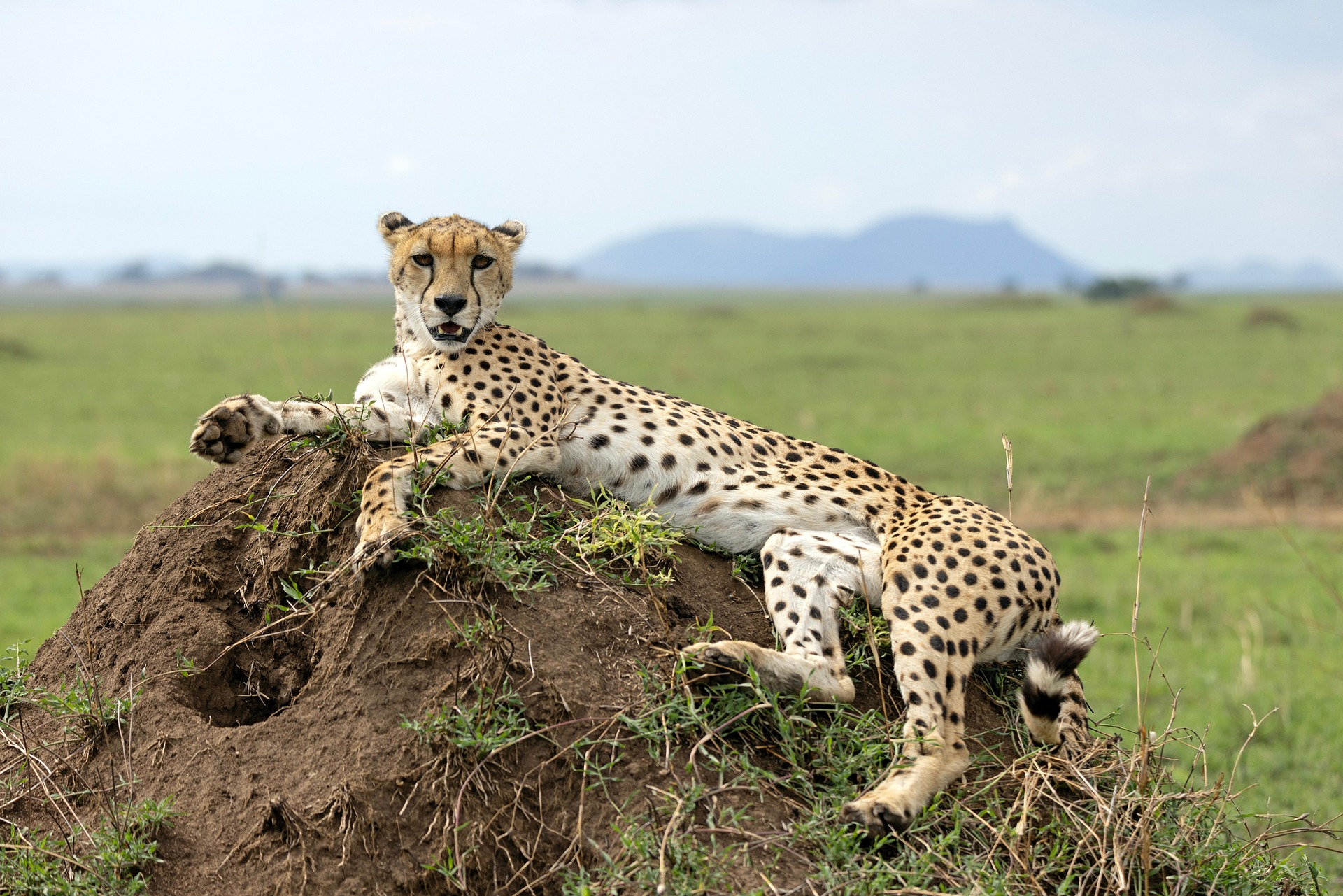
Serengeti National Park in pictures

Serengeti National Park, answered
Three is the practical minimum and four to five is much better. One night is close to pointless — you will spend most of it travelling. If you are chasing the migration, budget four nights so a slow day does not cost you the whole trip.
No, and anyone who promises otherwise is selling you something. Crossings depend on rain, grass and herd mood. Being in the right area from July to September gives you a good chance over three or four days; a single afternoon gives you a poor one.
If your budget stretches, yes. It is expensive — expect several hundred US dollars per person — but an hour at treetop height over the plains at sunrise, followed by breakfast in the bush, is the single most-remembered morning of most trips we run.
Yes, but understand the trade-offs. Park fees are fixed and substantial, so savings come from accommodation and group size. Sharing a vehicle and staying in simple camps outside the park gate works — you just spend more of each day driving in.
Further reading
From the journal

Reading the ground: what your guide is actually looking at
Most of what a good guide finds, he finds by looking down. Here is some of what he is reading.

In defence of the green season
Everyone sells June to October. Here is the case for the months nobody recommends.

What happens when the migration is late
The herds do not read the calendar. Here is how we plan around that rather than pretending otherwise.
Build Serengeti National Park into a route that works.
One park is rarely a trip. Tell us how long you have and what else you want to see, and we will put Serengeti in the right place in the right week.