Common questions about planning a Tanzania safari, answered plainly.
Is a safari suitable for children?
Often yes, with the right route. Long drives are the enemy — we shorten the driving days, choose camps with pools and family units, and pick guides who are good with children. Note that some camps set minimum ages and certain activities such as walking safaris are usually 12 or 16 and over. Tell us the ages up front and we will only propose places that will actually take you.
Will I definitely see the Big Five?
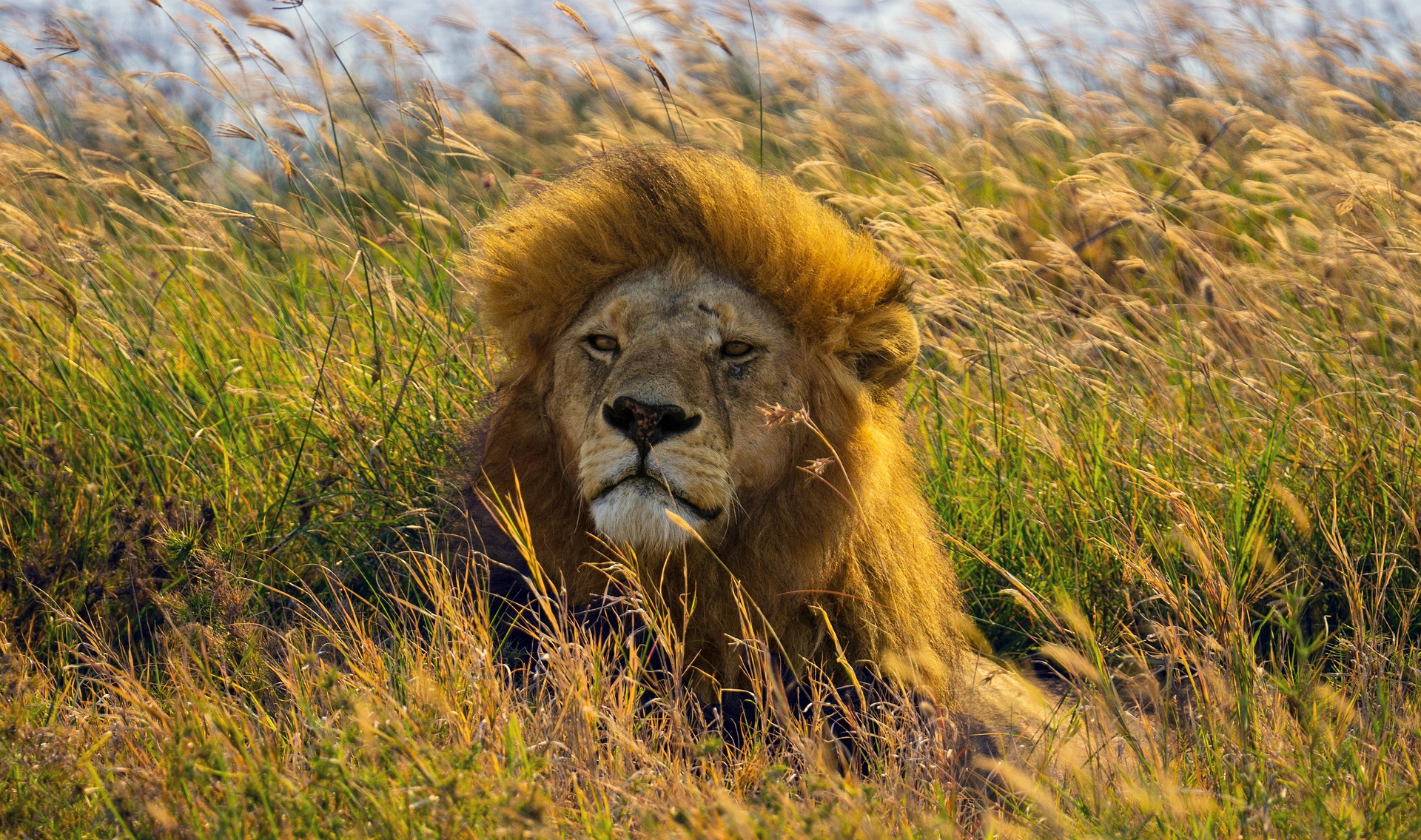
Probably four of them. Lion, elephant, buffalo and leopard are all realistic on a well-planned northern circuit week. Rhino are the difficulty — the Ngorongoro Crater gives you the best chance in northern Tanzania and it is still usually a distant sighting. Anyone guaranteeing the Big Five is guaranteeing something outside their control.
How many hours a day are we in the vehicle?
On a game-drive day, typically three to four hours in the morning and two to three in the late afternoon, with the middle of the day back at camp. On a transfer day it is longer, but the drive is itself a game drive once you are inside a park.
Is there Wi-Fi?
In most camps and lodges, yes, though it varies from good to ornamental. Mobile coverage exists in surprising places and vanishes in others. We would gently suggest that a week of poor connectivity is part of the point.
What is the food like?
Better than you expect. Camps generally serve three good meals a day and cater well for vegetarians, vegans, coeliacs and allergies — but tell us in advance, because a camp two hours from the nearest shop cannot improvise on the day.
Do I need to tip, and how much?
It is customary rather than compulsory. As a rough guide, most guests give their driver-guide in the region of US$20 to 30 per vehicle per day and leave something in the communal camp staff box. Bring US dollars in notes dated 2009 or later.
Can I charge camera batteries?
Yes. Vehicles have charging points and camps have power, though some run generators only at certain hours. Bring a spare battery anyway.
Is it better to book far ahead?
For July to September, yes — nine to twelve months if you want the better northern camps. For the green season, three to four months is usually plenty. We can sometimes work at much shorter notice; it costs nothing to ask.
What happens if something goes wrong?
You have one number, answered in Tanzania, for the whole trip. Flights move, weather intervenes and vehicles occasionally need attention — the difference between a good operator and a bad one is entirely what happens in that hour.