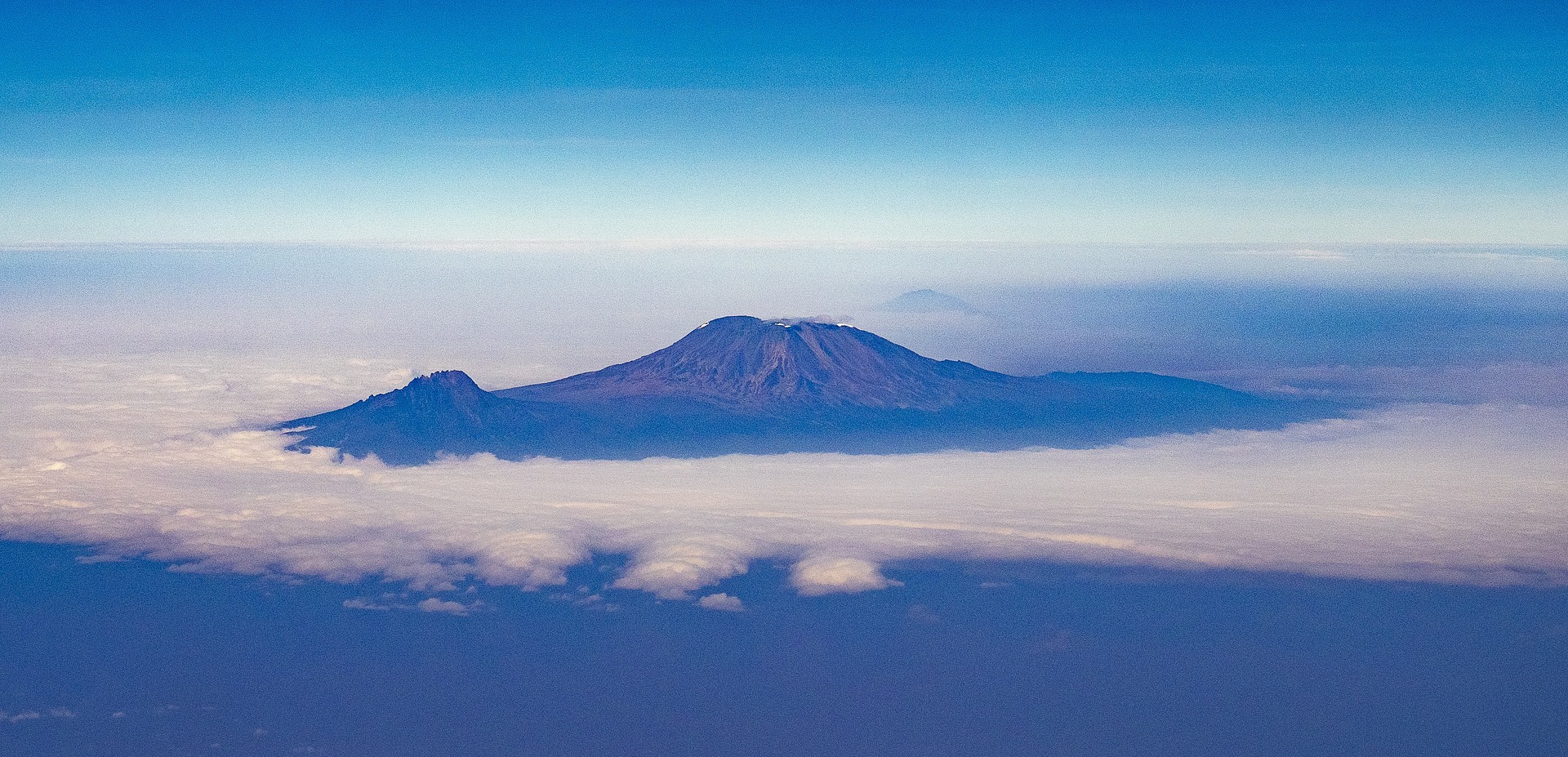
Route names get argued about. Route length is what actually determines whether you stand on the summit.
People spend weeks choosing between Machame and Lemosho and about four minutes choosing how many days to spend on either. That is precisely the wrong way round.
Why altitude, not fitness
Kilimanjaro is a walk. There is no technical climbing, no ropes, and no scrambling beyond one enjoyable hour on the Barranco Wall. What stops people is altitude — and altitude tolerance is largely unrelated to fitness. Very fit people turn back. Unremarkable walkers summit. The variable you can actually control is time.
Your body needs days to produce more red blood cells and adjust its breathing. Not hours. Days. Every extra night above 3,000 metres is doing physiological work that no amount of training beforehand can substitute for.
What climb-high, sleep-low actually means
The better routes deliberately walk you up and then back down to sleep. On Machame you climb to Lava Tower at about 4,600 m on day three, eat lunch there, and then descend six hundred metres to sleep at Barranco.
On a map that looks like wasted effort. It is the single most valuable day of the trek. Most people feel rough at Lava Tower and noticeably better by the time they reach camp, which is exactly the adaptation they came for.
The routes, briefly
Marangu, five days. The cheapest, the only one with huts, and the one with the lowest summit rates among the popular routes. Its profile is short and gives very little acclimatisation. It is marketed as the easy route, which is close to the opposite of true.
Machame, six or seven days. Scenic, popular and busy, with a good acclimatisation profile — if you take seven days. Take seven days.
Lemosho, eight days. A quieter start, a longer profile and better odds. Our usual recommendation where the budget and the leave allow.
Northern Circuit, nine days. The longest route and the best acclimatisation on the mountain. Also the quietest by some distance.
The arithmetic nobody does
The difference between a six-day and a seven-day Machame is one extra night: park fees, crew and food for a day. It is a modest addition to the cost of a trip that already includes international flights.
The cost of not summiting is the entire trip.
On success rates
We do not publish one. Operators quote figures that nobody audits and that somehow never fall below ninety per cent. A published number tells you about the marketing department rather than the mountain.
What we will tell you is the one thing every guide on Kilimanjaro agrees about: add the day.