Nobody describes the shape of an ordinary day, so people arrive with the wrong expectations. Here it is, hour by hour.
Brochures describe destinations. Almost nobody describes what a Tuesday is like. So here is the shape of an ordinary safari day, which is more useful than another paragraph about the Serengeti.
05:30 — Someone knocks
There is no alarm clock in a tented camp. Someone walks to your tent and says your name quietly until you answer, and leaves coffee outside. It is cold — genuinely cold at altitude — and dark.
You will not want to get up. By the third morning you will be awake before the knock.
06:15 — Out of the gate
The first hour is the best hour. Predators are still moving, the light is low and orange, and the air is cold enough that you want the blanket that lives on the seat. This is when cats hunt and when you see things that will be asleep under a bush by nine.
Your guide will drive slowly and stop often for things you cannot see yet. Let him. Most of what a good guide finds, he finds by looking at the ground.
09:00 — Breakfast somewhere
Either back at camp, or laid out on a table in the bush if you have asked for it. Bush breakfasts are one of the small extravagances worth the money — a table, a fire, eggs cooked in the open, and nothing in any direction.
11:00 to 15:30 — Nothing happens
This is the part nobody mentions and the part first-timers resent for about a day and a half.
The middle of the day is hot, the light is flat and vertical, and the animals are lying in shade doing nothing at all. So you go back to camp. You swim, or read, or sleep, or watch a hornbill steal something off the lunch table.
By day three most people describe this as their favourite part of the trip. It is the only unstructured time many of them have had in a year.
16:00 — Out again
The afternoon drive runs until the gate closes, which in the national parks is 18:30 and enforced. The light comes back at about five and the last forty minutes are the best photography of the day.
Somewhere around six your guide will stop, open the back, and produce a cold drink. This is the sundowner and it is a fixed institution.
19:30 — Dinner, and then the noise
Dinner is usually communal in the mess tent, and usually better than you expect from a kitchen with no mains power.
Then you are escorted to your tent, because after dark you do not walk around a camp alone. You zip the tent, including the bathroom side, because baboons and vervets are quick and unsentimental.
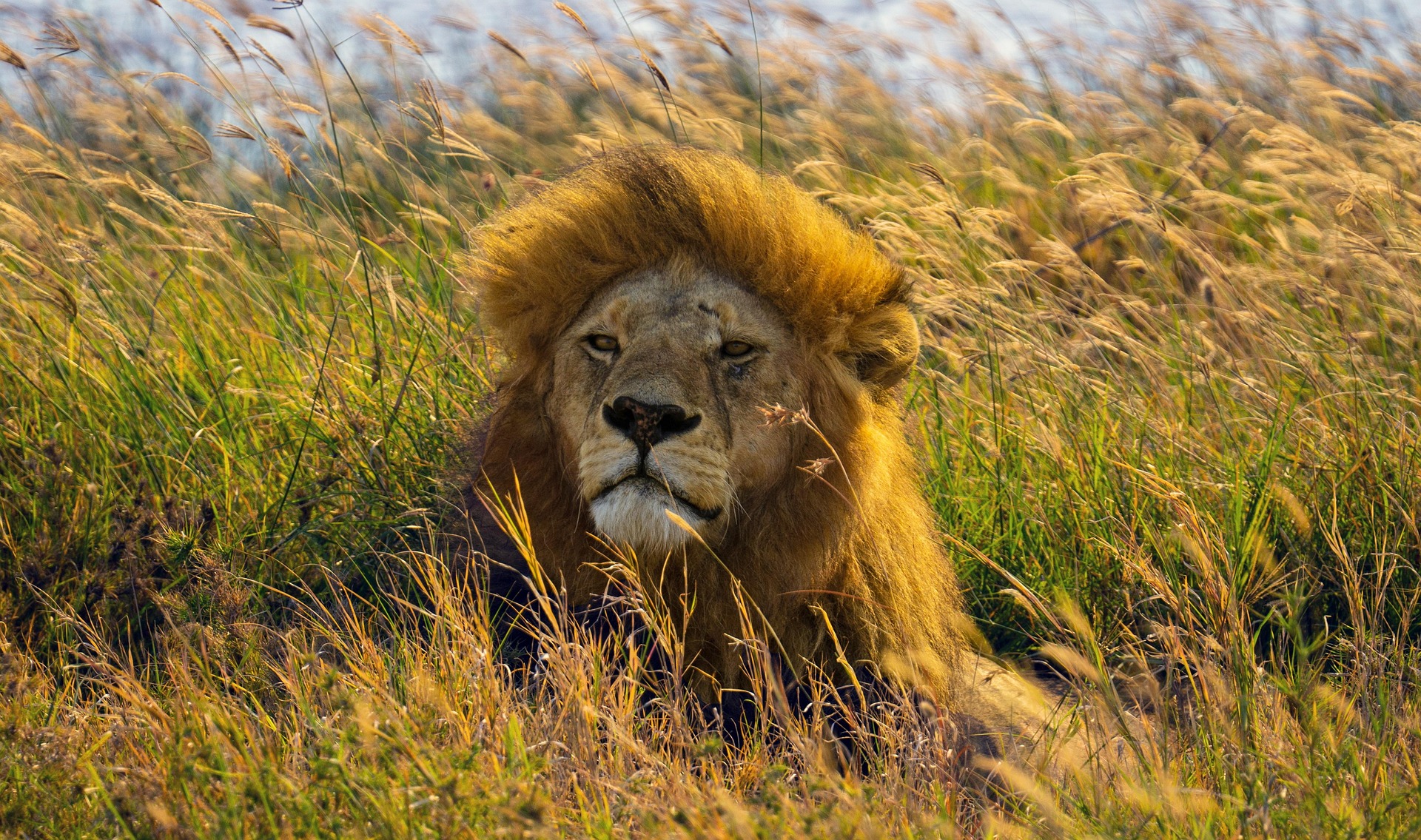
And then you lie in the dark listening. Hyena whoop. Hippo make a noise like distant laughter. If there are lion within a couple of kilometres you will hear them through the canvas and you will feel it in your chest, and you will not sleep for a while, and you will not mind.
The thing nobody tells you
You will see less than the television led you to expect and it will affect you more than you expected. That is the trade, and almost everyone takes it.