What the rains actually do, and why altitude matters more than latitude here.
Tanzania sits just south of the equator, so it does not have summer and winter in any sense that will be familiar. It has wet seasons and dry seasons, and altitude matters far more than the calendar.
The two rainy seasons
The long rains run roughly from late March to May. They are heavy, they are the reason many camps close, and they are also why April and May are the cheapest months of the year. Rain tends to come in intense bursts rather than all-day drizzle.
The short rains arrive around November and run into early December. They are much lighter, usually a dramatic afternoon storm that clears, and they green the landscape within days. November is one of the best-value months in the country.
The dry seasons
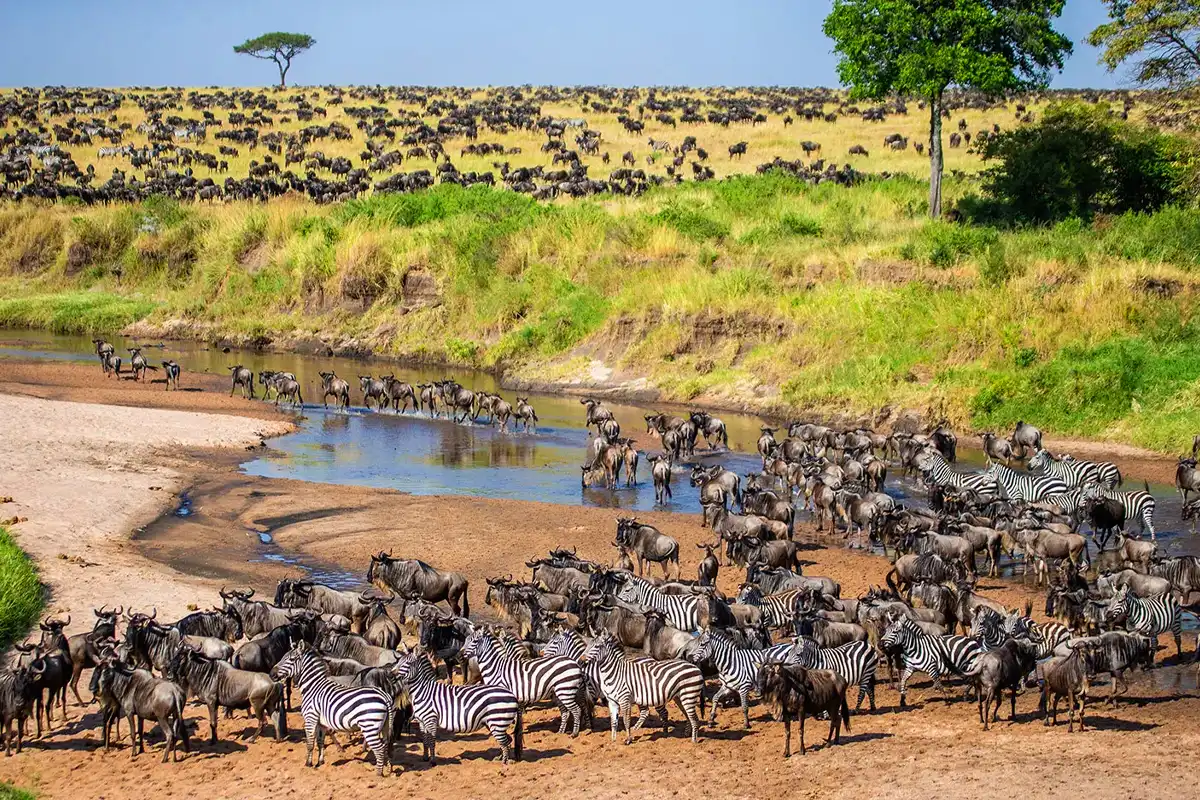
June to October is the long dry season — clear skies, cool mornings, dust by the afternoon and steadily concentrating wildlife. January and February form a shorter dry window between the two rains, which is when the calving happens on the southern plains.
Altitude changes everything
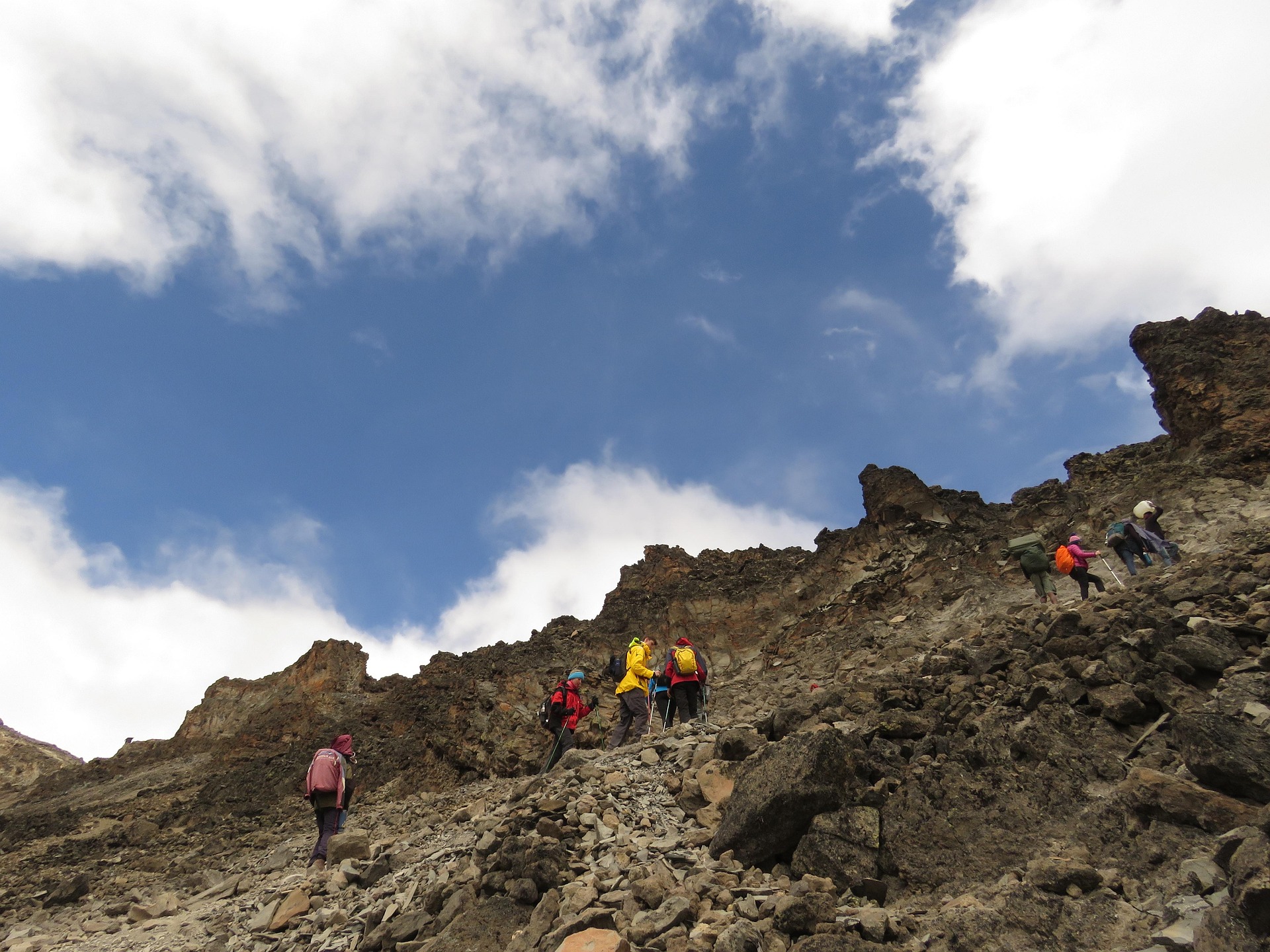
The Ngorongoro rim sits at about 2,200 metres and is genuinely cold at dawn — single figures in June and July, occasionally with frost. Arusha at 1,400 metres is pleasant year-round. The Serengeti plains at around 1,500 metres are cool at dawn and hot by midday. Lake Natron in the Rift is brutally hot in any month. And Zanzibar at sea level is warm and humid all year.
This is why the packing advice always includes a fleece, however tropical the destination sounds.
Zanzibar runs on its own calendar
The island is warmest and most humid from December to February, driest and breeziest from June to October, and genuinely poor in April when the long rains are heaviest. If your safari falls in April we would usually suggest reordering rather than pushing on to the coast.