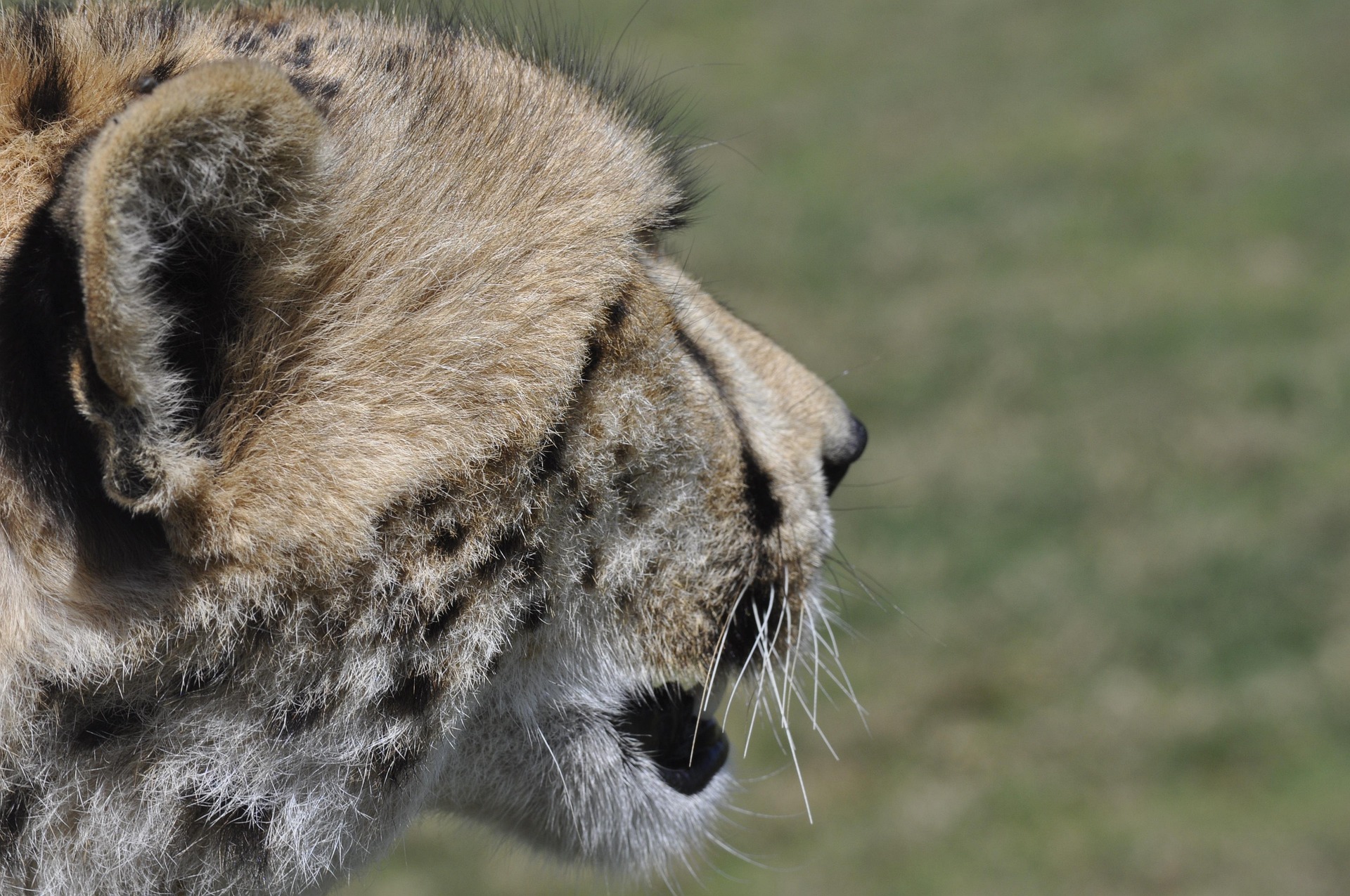
Most of the pictures people keep are not the ones the long lens took.
People arrive convinced they need a 600mm prime. Some do. Most take their favourite photograph of the trip on something much shorter, and here is why.
What actually works
A 100–400 or 200–600 zoom does the overwhelming majority of the work. Flexible enough for a lion at forty metres and a herd at four hundred, light enough to hand-hold from a moving vehicle, and cheap enough not to insure separately.
Add something wide — 24–70 or a fast prime — for landscape, camp, and the pictures of your own group that you will value more in ten years than the leopard.
Bring a phone too. Nobody photographs the flat tyre or the guide laughing with a 400mm.
The three things that beat equipment
Light. First hour and last hour. A mediocre lens at 06:30 beats a superb one at noon, every time. This is why the whole day is structured the way it is.
Eye level. Photographs taken looking down at an animal look like snapshots; photographs taken at its eye level look like portraits. In a vehicle that means shooting from the window, not standing through the roof — which is also why the southern parks, where open vehicles are common, produce better images.
Patience. The difference between a picture of a leopard and a picture of a leopard doing something is usually forty minutes. Tell your guide you would rather wait than move on. He will be delighted; most people want to keep driving.
Practical things people forget
- A beanbag. Worth more than a monopod in a vehicle and every good camp has them, but bring your own if you are particular.
- More cards than you think, and a way to back up each evening. Dust and heat are hard on electronics.
- A blower and a brush. Changing lenses in an open vehicle in the dry season is how sensors get filthy.
- Spare batteries. Cold mornings drain them faster than you expect.
The one setting worth learning
Back-button focus, if your camera has it. Separating focus from the shutter means you can hold focus on an animal and shoot the moment it does something, rather than refocusing every frame. It takes a day to get used to and it is the single biggest improvement most people make.
And then put it down
Somewhere in the week, at a sighting that matters, do not lift the camera at all. Watch it happen. You will remember that one better than any of the files.

